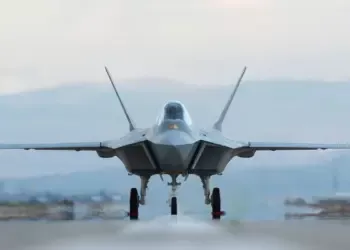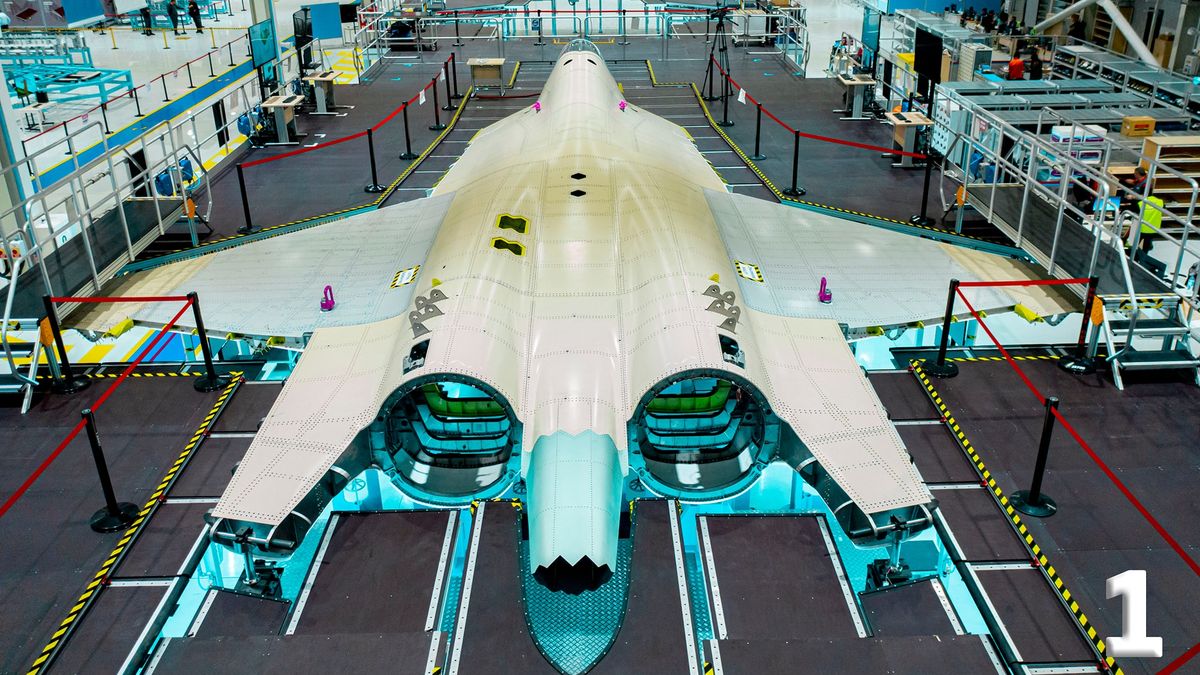
Development of Turkey’s first fifth-generation fighter has reached a new phase, with the second KAAN prototype entering system integration. Two additional prototypes with upgraded internal systems are currently under assembly. Their design has been refined based on data from two successful test flights of the initial P0 prototype in 2024. TUSAŞ confirmed that system integration is already underway on the final assembly line.
These steps are part of the National Combat Aircraft Program, aimed at producing the KAAN fighter, bringing Turkey closer to fielding its own stealth-capable aircraft. The new fighters are expected to gradually replace the country’s aging F-16 fleet. The first flight of the upgraded prototypes is scheduled for the second quarter of 2026.

Production is taking place on a dedicated TUSAŞ assembly line, where key aircraft components are installed vertically, including the 14-meter wings and the central fuselage section, which weighs around 3.3 tons. According to company representatives, the Ankara facility can currently produce up to eight aircraft per year, though plans are being developed to expand capacity for full-scale serial production. Initial requirements for the Turkish Air Force are estimated at 148 KAAN fighters, though it remains unclear whether this figure includes the 48 aircraft ordered by Indonesia or refers solely to the domestic order.
The Block 10 variant, expected to enter service in 2029, will initially have limited flight capabilities that will expand over time through further testing and software updates. Full-production aircraft will feature modern avionics, stealth characteristics, and compatibility with Turkish-developed air-to-air and air-to-ground missiles.
During a presentation for Turkish media, TUSAŞ executives described the KAAN as a central element of the country’s broader strategy for achieving independence in military aviation. The fighter is being developed to operate alongside current foreign platforms in the Air Force and is intended to gradually replace them over time.
“KAAN is not just a fighter; it is a product of the national aerospace ecosystem,” said TUSAŞ CEO Tolga Demiroğlu. “We may not be the first to develop a sixth-generation fighter, but we aim to be pioneers. TAI is at the doctoral-level stage – tackling challenges it has never faced before.”
Demiroğlu also confirmed that the company is already studying requirements for a sixth-generation fighter. For now, however, the main focus remains on preparing the KAAN for serial production, validating its performance through testing, and ensuring compatibility with Turkish and allied air defense systems.
The KAAN program reflects Turkey’s drive to develop its own defense technologies. By producing a domestic fifth-generation fighter, Ankara could potentially reduce its reliance on foreign suppliers while establishing itself as a significant player in the global aerospace market.
Read also:
- Boeing Reveals F/A-XX Fighter Render – And It Looks Familiar
- Ukrainian Bayraktar Drones Resume Strikes on Russian Forces
Source: defence-blog