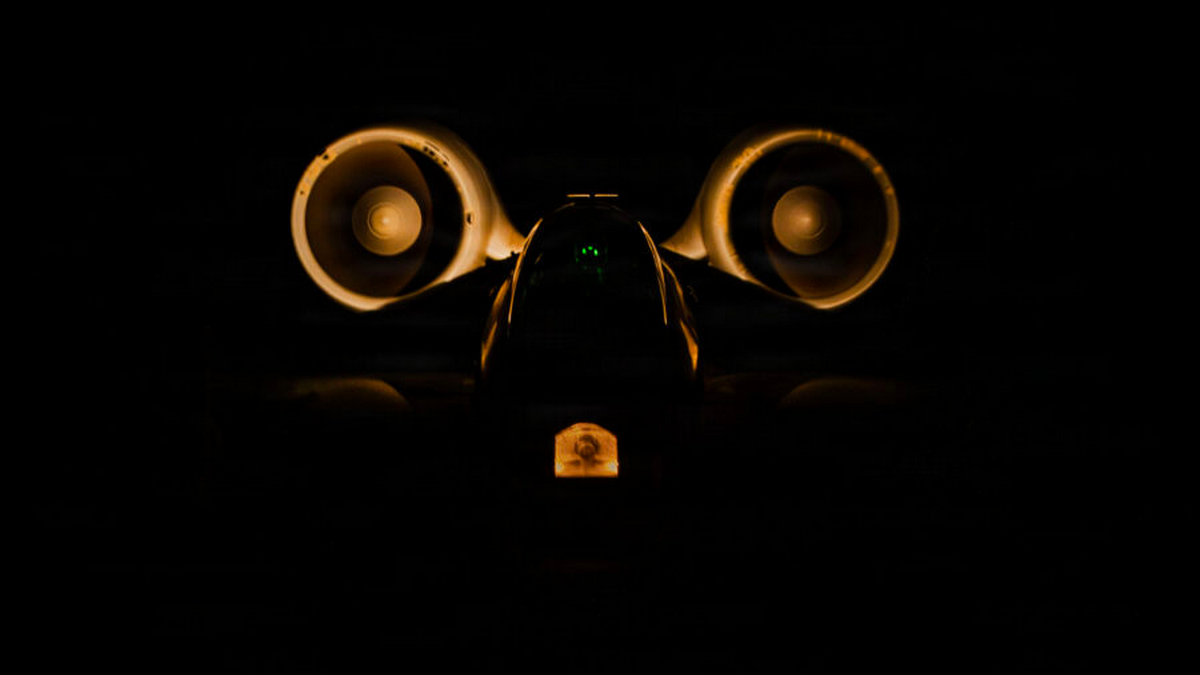
The leadership of the United States Air Force has decided to extend the service life of the A-10 Thunderbolt II attack aircraft until at least 2030. This effectively pauses the previously approved plan to retire the close air support platform from active service, a decision linked to ongoing combat operations in the Middle East.
Air Force Secretary Troy Meink announced the update via social media, noting that the move was coordinated with Secretary of Defense Pete Hegseth. He also referenced the importance of rapid decisions aimed at strengthening military readiness and indicated that further details would be provided later.

For a long time, military leadership had pushed for a gradual reduction in the A-10 fleet. The main argument was that the aircraft would not be survivable in future high-intensity, technologically advanced conflicts, and therefore was expected to be fully phased out by the end of the decade.
However, recent statements by Secretary Troy Meink indicate a significant shift in this policy. The change is directly linked to the increased operational use of A-10 aircraft in recent Middle East missions. According to the secretary, retaining the platform helps maintain required combat capability during the period in which the defense industrial base is working to increase production rates of newer combat aircraft.
Read also: American Attack Aircraft, Part 14: Career of Fairchild Republic A-10 Thunderbolt II
According to the U.S. Air Force strategy, the close air support role currently performed by the A-10 is expected to be gradually transferred to stealth multirole aircraft such as the F-35A Lightning II. In particular, procurement plans for fiscal year 2027 include the acquisition of 38 aircraft of this type. While the total number of aircraft planned for purchase in the following year has not been officially confirmed, recently released budget documents provide a general indication of procurement priorities.
In addition to the F-35 program, the Air Force is also scheduled to receive a total of 129 F-15EX Eagle II fighters under previously established procurement plans. At the same time, substantial funding is being directed toward the development and production of the B-21 Raider bomber, as well as the next-generation sixth-generation fighter program, designated F-47.
As of fiscal year 2026, the U.S. Air Force inventory included 162 A-10 aircraft that were initially scheduled for retirement. However, lawmakers in Congress repeatedly expressed concerns about the planned divestment. As a result, the latest National Defense Authorization Act required the military to retain at least 103 aircraft through the end of the current fiscal year.
Earlier in the year, the Air Force had already stopped training new pilots for the A-10 and began reducing depot-level maintenance activities, including structural refurbishment and modernization work. These measures were part of a long-term plan to fully phase out the aircraft. Since 2024, the A-10 fleet has been reduced by roughly a quarter, with the remaining aircraft originally expected to be placed into storage over the following two years.
Despite this, the aircraft remains an important element in ongoing missions. According to U.S. officials, A-10 aircraft have been used by U.S. Central Command in operations against pro-Iranian groups in Iraq, as well as in actions targeting armed Iranian boats in the Strait of Hormuz. Some sources also report their involvement in supporting maritime operations near Iranian ports.
An example of operational activity was recorded on 9 March 2026 during Operation “Epic Fury,” when an A-10 conducted aerial refueling from a KC-135 tanker within the CENTCOM area of responsibility. In addition, a pair of A-10 aircraft reportedly provided cover during the extraction of two U.S. pilots from an F-15E Strike Eagle aircraft who had ended up on Iranian territory. During this incident, one of the A-10s sustained significant damage from hostile fire. The pilot was nevertheless able to exit the contested area and eject safely. Following these events, the United States reportedly doubled the number of A-10 aircraft deployed in the Middle East in early April.
Even before the escalation into direct confrontation with Iran, these aircraft played a significant role in the region, conducting strikes against Islamic State positions. Their continuous presence within the CENTCOM area of responsibility has been maintained since 2023. Commenting on the decision to extend the platform’s service life, Pete Hegseth briefly stated: “Long live the Warthog.”
The aircraft, best known for its 30 mm GAU-8/A seven-barrel cannon with a rate of fire of approximately 3,900 rounds per minute, has also demonstrated compatibility with a range of modern munitions. Photographic evidence from recent operations indicates that the aircraft can be configured to carry JDAM precision-guided bombs, AGM-65 Maverick air-to-surface missiles, AIM-9 Sidewinder air-to-air missiles, as well as APKWS II precision-guided rocket systems.
Last year, aircraft returning from missions were observed with markings indicating the destruction of Iranian Shahed drones on their fuselages, which indirectly suggests successful aerial intercepts carried out by these platforms.
Read also:
- The story of Rosie the Rocketeer: Little airplane with ‘bazooka’
- Weapons of Ukraine’s Victory: High-precision APKWS II Missile
Read also: airandspaceforces