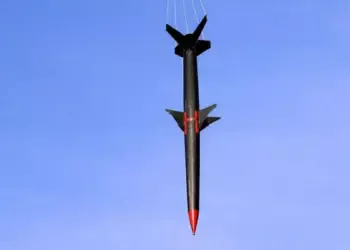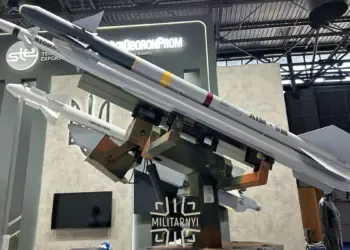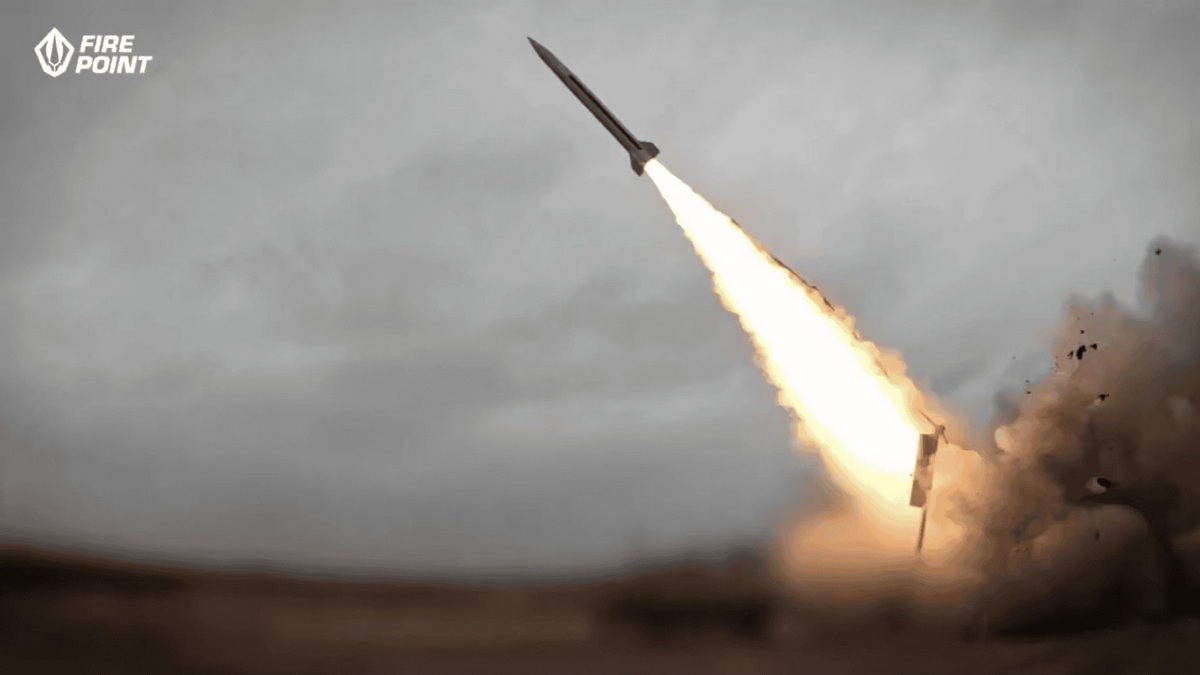
The Ukrainian defense company Fire Point is developing an air-launched ballistic missile based on the FP-9 platform. The project was disclosed by the company’s chief designer, Denys Shtilerman, during an interview on the Sternenko YouTube channel. The system is intended to expand Ukraine’s domestically developed long-range strike capabilities.
According to available information, the ground-launched version of the FP-9 is capable of engaging targets at a range of approximately 800 km. For the air-launched variant, engineers anticipate a significant increase in range, as noted in coverage by Defence Blog.
Air-launched ballistic missiles are deployed from combat aircraft, which provide initial altitude and velocity. As a result, the missile does not need to expend fuel on the climb phase after launch, as is the case with ground-based systems, allowing a greater proportion of its energy to be used for the terminal trajectory toward the target.

After separation from the aircraft, such a missile follows a steep ballistic trajectory and, in the terminal phase, descends onto the target at very high speed. This flight profile, combined with the ability of the carrier aircraft to operate outside the effective range of enemy air defense systems, provides a notable tactical advantage over cruise missiles, which typically fly at lower altitudes and speeds.
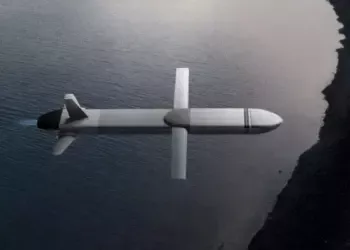
Since the start of Russia’s full-scale invasion in February 2022, Fire Point has developed a range of strike systems for different roles. The company has already introduced the long-range strike UAV FP-1 and the Flamingo FP-5 cruise missile, and is also working in parallel on the FP-7 ballistic missile and additional variants of the FP-9 platform.
The development of an air-launched ballistic missile directly reflects current operational requirements. Russian air defense systems, logistics hubs, command centers, and industrial facilities are often located at distances beyond the reach of short-range strike assets. An air-launched system would allow Ukrainian aircraft to engage such targets from safer stand-off distances, reducing exposure to dense air defense coverage.
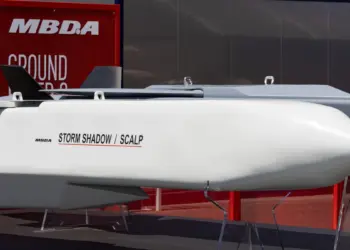
Establishing domestic production of this type of weapon would also reduce reliance on limited supplies of foreign long-range munitions. Comparable systems are already in use globally: Russia employs the Kh-47M2 Kinzhal, launched from MiG-31 interceptors; Israel operates systems such as Rampage and Air LORA; similar programs are being developed in China and the United States.
To bring the project to operational use, the missile must be integrated with aircraft, undergo flight testing, and receive sustained funding. According to Defence Blog, key specifications – including the warhead, detailed performance parameters, and implementation timeline – have not been disclosed. The announcement itself indicates that wartime conditions are driving Ukrainian engineers to rapidly develop advanced missile technologies that were previously outside the country’s industrial capabilities.
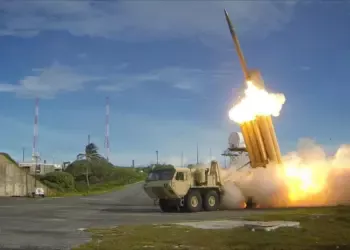
Separately, Reuters has reported that Fire Point is also working on an air defense system described by the company as potentially breakthrough in nature. The stated objective is to reduce the cost of missile interception to below $1 million per engagement.
Fire Point’s activities form part of a broader effort to develop a self-sustaining strike capability capable of supporting sustained operations against Russian forces. If an air-launched version of the FP-9 enters service, Russian command structures may have to adapt to a changing operational environment in which previously secure rear areas become increasingly vulnerable.
Read also:
- Weapons of Ukraine’s Victory: High-precision APKWS II Missile
- Weapons of Ukraine’s Victory: TRIDON Mk2 Mobile Air Defence Systems from BAE Systems Bofors
Source: interestingengineering