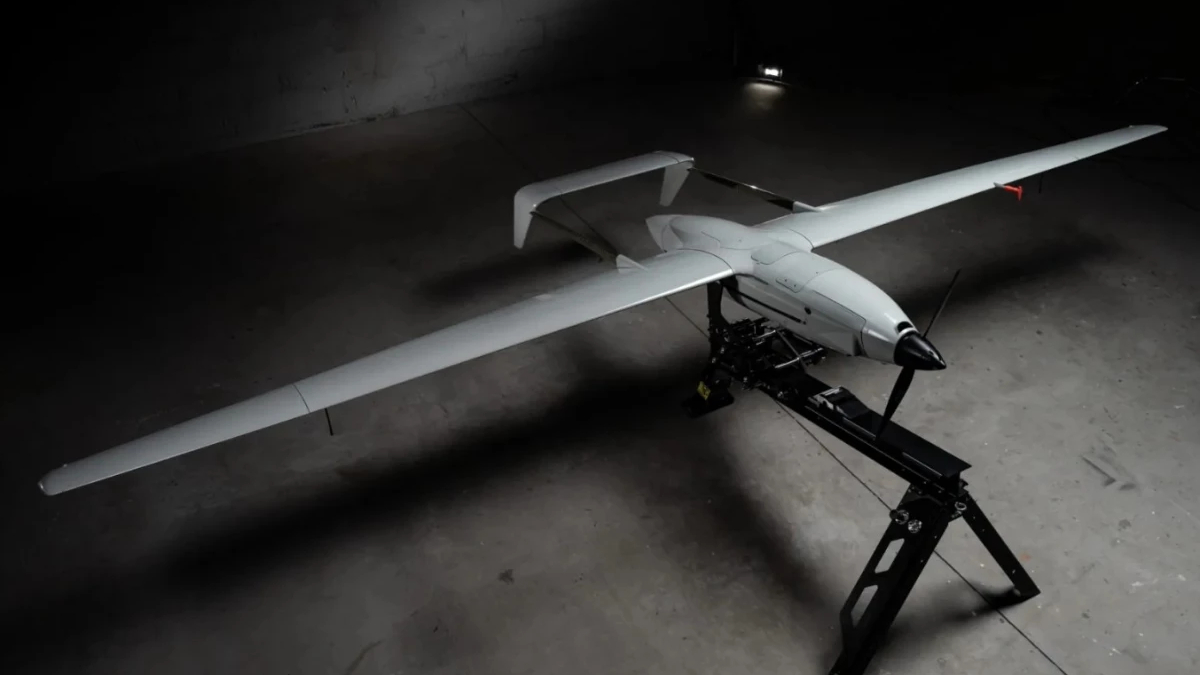
Ukraine has deployed a hybrid hydrogen-powered drone in combat operations for the first time. According to Skyeton, a modified version of the Raybird drone is already being used by the Ukrainian Armed Forces in active conflict zones.
Although hydrogen-powered drones have been in development for nearly 20 years, most have remained experimental projects or technology demonstrators. Previously, such platforms were primarily designed for long-endurance, high-altitude flights. Some solutions, including the Heven AeroTech Z1 system, were intended for frontline operations, but none had seen actual combat deployment until now.

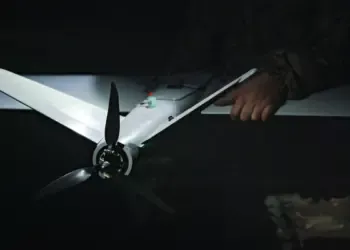
According to Skyeton, the Raybird drone has been adapted for the new hydrogen fuel system. Engineers redesigned the airframe to provide sufficient volume and proper balance for the hydrogen tanks, which are larger than conventional fuel tanks used in internal combustion engines.
Since Raybird uses a hybrid powerplant, hydrogen is employed to generate electricity, while propulsion is provided by electric motors. The drone has a takeoff weight of 23 kg, a wingspan of up to 4.7 meters, and a payload capacity of 10 kg. Its cruising speed is approximately 110 km/h, with an endurance of up to 12 hours. The hybrid configuration makes the aircraft significantly quieter than drones with four-stroke engines and reduces its thermal signature. The maximum operational altitude is limited to 5,500 meters.
Skyeton notes that Raybird is not equipped with weapons. The platform’s primary role is long-range reconnaissance. The drone is fitted with a radar and a suite of sensors for data collection. Its design is also adapted for serial production, and hydrogen fuel can be supplied either through replaceable cartridges or mobile generator units.
According to Skyeton CEO Roman Knyazhenko, the project is the result of two years of laboratory testing and has effectively established a new platform concept with an electric powertrain. The use of hydrogen combines the reliability and low-maintenance benefits of electric motors with extended continuous flight, which remains Raybird’s key advantage. The company emphasizes that these characteristics are critical for conducting complex reconnaissance missions, where the average flight duration exceeds 10 hours.
Read also:
- MQM-172 Arrowhead: Overview of a Versatile Loitering Munition Drone
- Weapons of Ukraine’s Victory: E-300 Enterprise Strike Drone
Source: newatlas