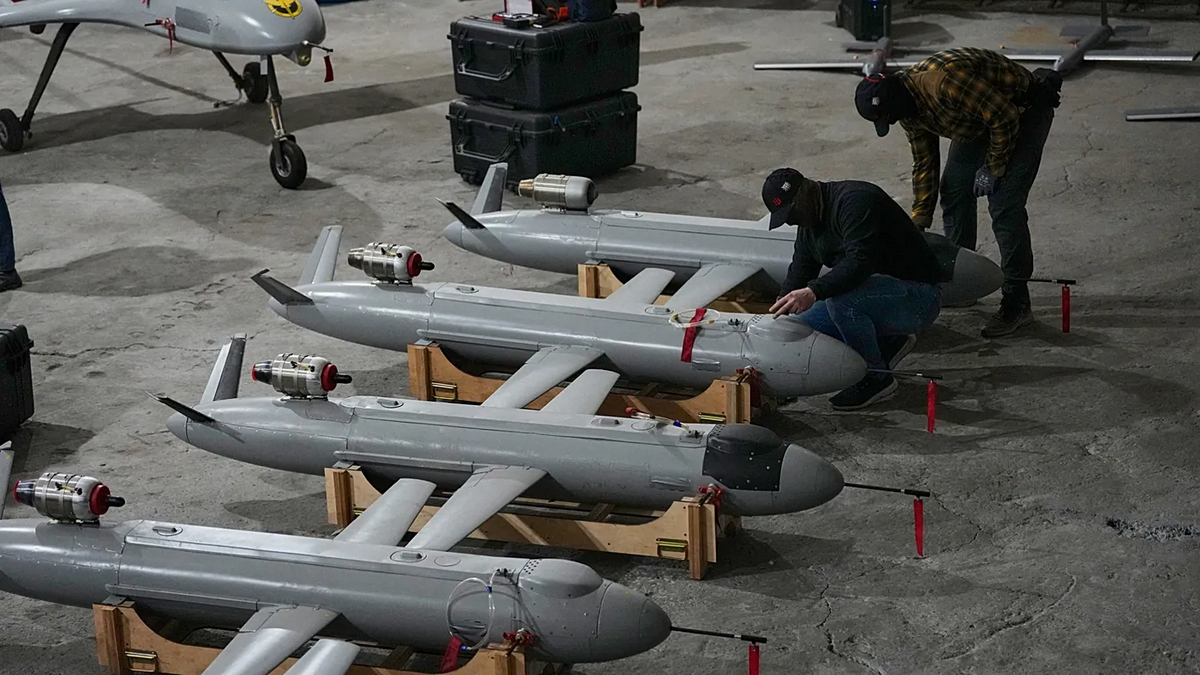
Honduras plans to purchase Ukrainian unmanned aerial vehicles to counter drug trafficking and strengthen border security, according to an announcement made today by the country’s president, Nasri Asfura. The statement comes amid the Central American nation’s ongoing struggle with organized crime, gang activity, and drug supply networks, which continue to pose significant security challenges in the region.
Last week, Asfura visited Kyiv, where he met with Ukrainian President Volodymyr Zelensky. During the talks, the Ukrainian leader proposed cooperation in the field of defense technologies, particularly in unmanned systems. Ukraine is currently seeking to expand its partnerships beyond Europe, showcasing technological capabilities developed during its war with Russia.

Speaking to AFP journalists in Panama, where the General Assembly of the Organization of American States is currently taking place, Nasri Asfura stated that new technologies will enable security forces to monitor hard-to-reach areas and more effectively counter criminal activity. According to him, the procurement of drones is intended to ensure reliable border protection and improve the enforcement of security measures against organized crime through the use of advanced technological systems. He also emphasized that Ukraine could play a significant role in strengthening border control and combating drug trafficking, describing the issue as a national security priority.
Since the start of Russia’s full-scale invasion in 2022, Ukraine has emerged as a global leader in drone-based warfare. Ukrainian forces extensively deploy autonomous systems for reconnaissance, fire correction, and long-range strike missions, driving rapid technological development in the defense sector. During the bilateral meeting, President Volodymyr Zelensky also highlighted this experience, noting that in modern defense, military technology, and unmanned systems, Ukraine holds one of the strongest positions globally, making its expertise highly attractive to international partners.
The issue of illicit drug trafficking in Honduras remains severe. The country has long served as a transit hub for cocaine shipments moving from South America toward northern markets. However, growing concern is now focused on the expansion of local coca cultivation and the emergence of small-scale processing facilities. Security forces have repeatedly reported the discovery of plantations and clandestine laboratories in remote areas, raising concerns that the country may be shifting from a logistical corridor into a direct producer of narcotics.
This illegal economy operates alongside the activities of powerful criminal organizations, including the well-known gangs MS-13 and Barrio 18, which control territories, engage in extortion, and drive cycles of violence. The country’s homicide rate currently stands at approximately 24 per 100,000 inhabitants, nearly four times the global average. Only last month, 19 people were killed in a single settlement amid clashes over control of trafficking routes, while near the border with Guatemala, five police officers were reportedly killed in an attack attributed to suspected drug traffickers.
The initiative to procure Ukrainian drones forms part of a broader Honduran strategy to strengthen defence cooperation with international allies. The country’s armed forces command recently confirmed that it is in talks with the US regarding joint anti-crime operations. At the same time, Nasri Asfura pointed out that the drones received from Ukraine will also have non-military applications; in particular, there are plans to deploy them in the civilian sector for agricultural purposes.
Read also:
- No One Suspected It: Pokémon Go Data Helped Train a Navigation System for Military Drones
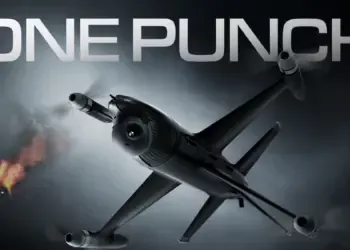
- Ukrainian Ukrspecsystems Unveils Revolutionary One Punch Drone Designed to Hunt Shahed UAVs
Source: euronews