Nearly seven months ago, Ukraine offered the United States the opportunity to acquire a technology designed to destroy Iranian strike drones that had already been tested in combat conditions. Delegates prepared a presentation explaining how the system could help protect U.S. forces and their allies in the event of a conflict in the Middle East. At the time, the administration of Donald Trump declined the proposal from the Ukrainian side. However, Washington’s position shifted last week following large-scale attacks by Iranian drones.
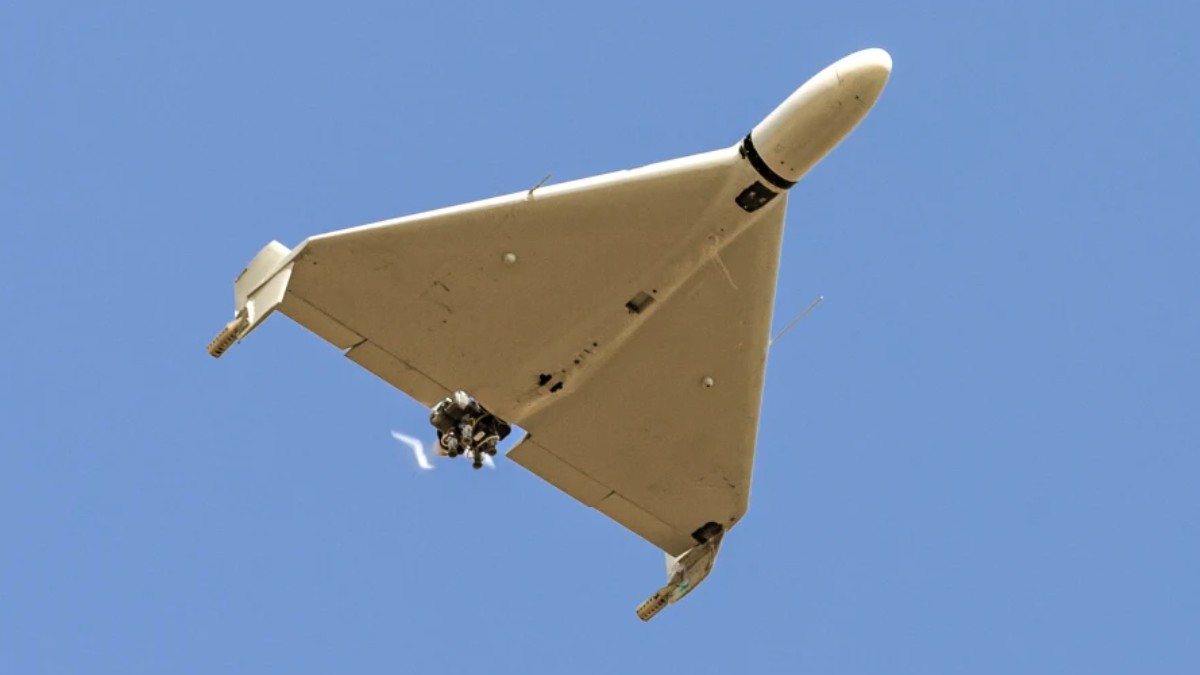
According to two U.S. officials, as reported by Axios, the decision to reject Ukraine’s proposal has become one of the administration’s most significant tactical mistakes since the bombing of Iran began on February 28. Low-cost Iranian drones of the Shahed loitering munition family have already been linked to the deaths of seven U.S. service members. Intercepting them has also cost the United States and its regional allies millions of dollars.

Ukraine is noted to have the world’s most extensive experience in countering Shahed loitering munition family drones. As is known, Russia purchased thousands of these systems from Iran, reproduced their production domestically, and has been using them in the war against Ukraine under the name Geran-2. In response, Ukrainian engineers developed a relatively low-cost interceptor drone, along with other air defense systems and components designed specifically to destroy such kamikaze UAVs.
During a closed-door meeting at the White House in August, the President of Ukraine, Volodymyr Zelenskyy, proposed the interceptor drones to Donald Trump. According to one official, the initiative was intended to strengthen the partnership between the two countries and to express gratitude for U.S. support in resisting Russian aggression. The Ukrainian delegation presented American officials with a briefing that included a map of the Middle East and a warning that Iran was continuing to improve the design of its kamikaze drones.
Knowing Donald Trump’s negotiation style, Ukraine framed the proposal as a form of business partnership and suggested it could help create new jobs in the United States. In exchange for access to Ukrainian technologies for drone production and counter-drone systems, Ukraine offered to purchase American weapons. “Our problem was funding. Our resources allowed us to produce only 50% of what we were capable of. So we wanted the U.S. to finance the other 50% and receive a share in the production,” a Ukrainian official explained.
The presentation also proposed establishing “counter-drone centers” in Turkey, Jordan, and the countries of the Persian Gulf, where U.S. military bases are located. These centers were intended to help counter threats from Iran and its allies. During that meeting, Donald Trump instructed his team to review the proposal, but no concrete steps followed afterward.
A U.S. official who saw the presentation confirmed that Volodymyr Zelenskyy’s team had shown it to representatives of the administration. He also suggested that some officials in the administration of Donald Trump viewed the Ukrainian president as a politician inclined toward self-promotion and believed that Ukraine lacked sufficient authority. Nevertheless, last week the United States officially approached Ukraine with a request for assistance in countering drones.
Anna Kelly, a spokesperson for the White House, stated that the number of Iranian retaliatory strikes has decreased by 90%. She emphasized that assessments circulating from unnamed sources are inaccurate. According to her, Pete Hegseth and the U.S. military carefully prepared for all possible actions by the Iranian regime, and the success of Operation “Epic Fury” is evident.
One U.S. official acknowledged that Ukrainian drones could have been useful if they had been deployed earlier, but also stressed that the actions of American forces in the region were “impressive.”
The issue of using expensive missiles or other munitions costing millions of dollars to destroy such cheap and simple targets became particularly evident during U.S. combat operations against the Houthis in Yemen and continues to raise concerns. Estimates suggest that a single Iranian Shahed loitering munition family costs between $20,000 and $50,000, depending on the model, while Ukrainian interceptor drones are even cheaper.
Read also:
- Intelligence Reveals New Details on the Production and Components of Russian “Orion” and “Phoenix” Drones
- Ukrainian Drones Strike Aircraft Repair Plant in Crimea and Two Air Defense Systems
Source: axios