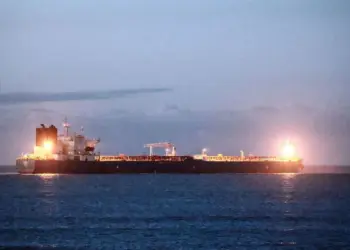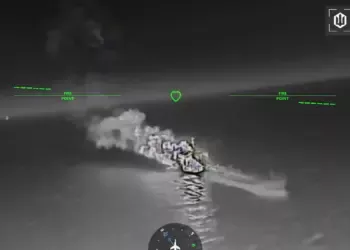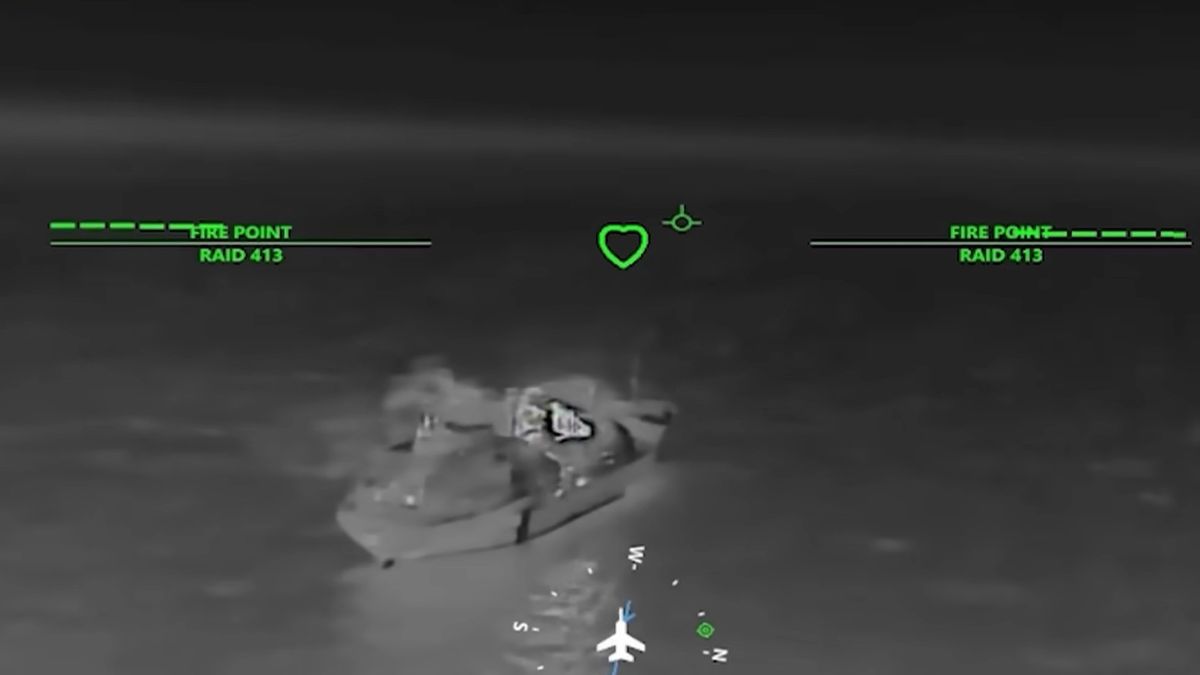
On the night of July 15, the Unmanned Systems Forces continued targeting vessels of the Russian fleet involved in military logistics and energy exports. Previous strikes had focused on ships operating in the Sea of Azov, while this operation targeted vessels in the Black Sea. As a result of the successful operation, 20 Russian vessels were struck.

According to a statement published on the official Facebook page of the Unmanned Systems Forces of the Armed Forces of Ukraine, the drones struck 17 oil tankers. The operation involved operators from the 9th “Kairos” Battalion of the 414th Separate Brigade “Birds of Magyar,” the 1st Separate Center, the 20th Separate Brigade “K-2,” the 412th Separate Brigade Nemesis, the 427th Separate Brigade “Rarog,” and the 413th “Raid” Regiment.
In addition, operators from the 412th Separate Brigade Nemesis and the 413th “Raid” Regiment struck two LNG carriers. Another target was a tugboat, which was hit by operators from the 1st Separate Center.
Russian vessels operating in the Sea of Azov also came under attack that night. Operators from the 1st Separate Center, the 413th Separate “Raid” Regiment, and the 20th Separate Brigade “K-2” struck five oil tankers and five cargo vessels. In addition, one tugboat was struck in the Sea of Azov.
The period from July 6 to July 15 was highly active and productive for the Unmanned Systems Forces. During this time, Ukrainian drones struck a total of 136 vessels belonging to Russia’s sanctioned fleet operating in the Sea of Azov and the Black Sea.
The Unmanned Systems Forces stated that Russia uses its sanctioned fleet to circumvent international sanctions by transporting crude oil and petroleum products, thereby generating revenue for the Russian state budget that is used to finance the war against Ukraine. Systematic strikes against these vessels disrupt the adversary’s logistics chains and complicate the operation of its shadow maritime infrastructure.
In a separate operation on July 15, pilots from the 427th Separate Brigade “Rarog” struck a Mi-28 attack helicopter in Russia’s Belgorod region. The aircraft is designed to engage armored vehicles, personnel, and low-speed aerial targets, with an estimated value of approximately $18 million. The helicopter was hit using an FPV drone, a technically demanding engagement given the Mi-28’s high speed and ability to rapidly change course and altitude. Conducting such an interception over enemy territory is particularly challenging due to hostile countermeasures and the limited time available to detect, track, and engage the target. Despite these challenges, the operation was carried out successfully.
Read also:
- Macron Announces the Transfer of 16 Rafale Fighter Jets to Ukraine and the Imminent Launch of Pilot Training
- 50,000 Attack Drones: Germany to Finance One of the Largest UAV Procurements for Ukraine
Source: facebook