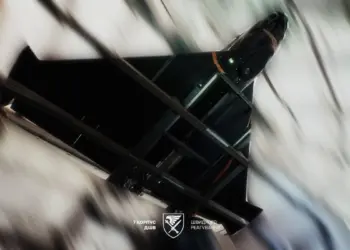
The Main Directorate of Intelligence of the Ministry of Defense of Ukraine (GUR) has released updated information in the “Components in Weapons” section of the War&Sanctions portal. The update identifies additional companies involved in the production chain of the Russian strike UAV Orion UAV, as well as foreign components detected in the Iranian Shahed-107 and the Russian Phoenix UAV drone.
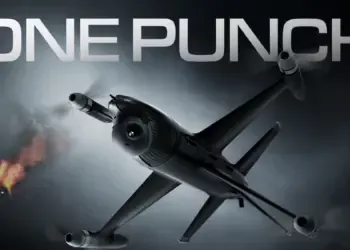
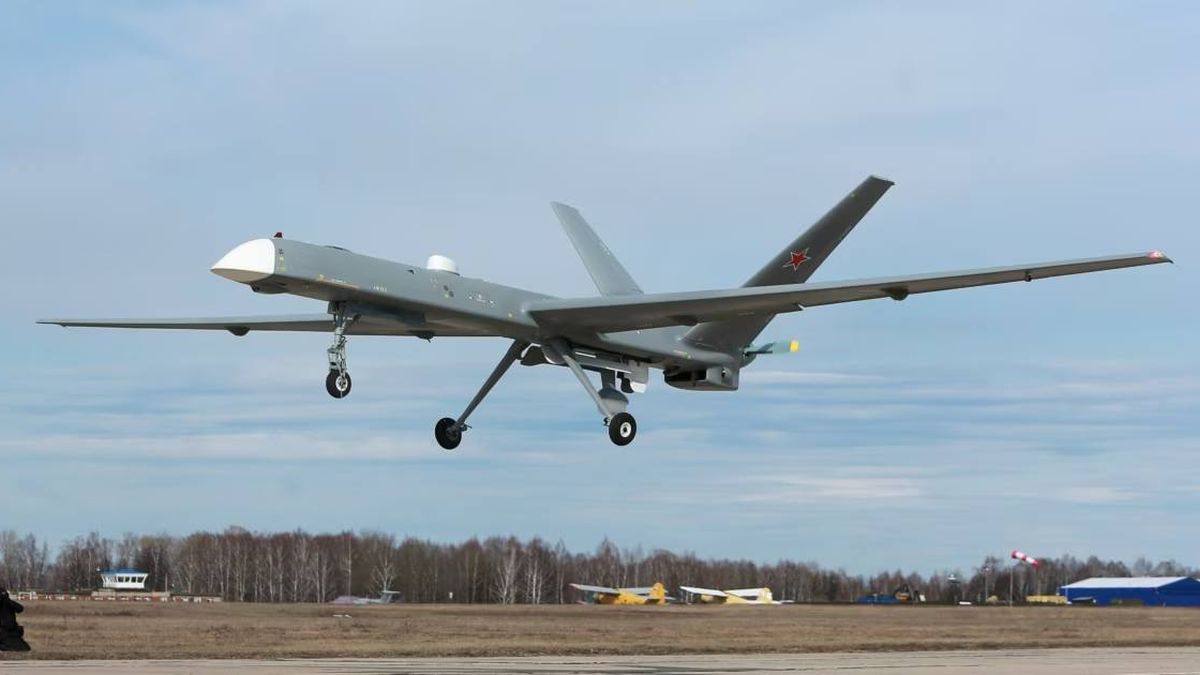
The Orion, also known as Inokhodets UAV, is a strike and reconnaissance unmanned aerial vehicle produced by the sanctioned Russian technology group Kronstadt Group. The aircraft has an approximate takeoff weight of around one ton and features a straight wing with a V-shaped tail configuration. It can carry up to 250 kg of payload, which may include aerial imaging systems, signals intelligence modules, electro-optical equipment, guided aerial bombs such as the KAB-20, as well as missiles including the Kh-50.

Previously, the Main Directorate of Intelligence of Ukraine had already published an interactive 3D model of this UAV along with a list of companies involved in its production. The database has now been expanded with 19 additional firms that manufacture elements of the anti-icing and fuel systems, flight and navigation equipment, and components of the radio-electronic command and information exchange complex. As a result, the total number of enterprises identified in the database as participants in the production chain of the Orion UAV has increased to 70.
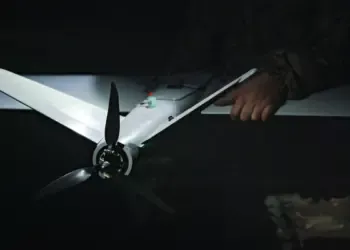
In addition, the Main Directorate of Intelligence of Ukraine released data on 30 electronic components identified in the Iranian UAV Shahed-107, as well as in the gyrostabilized electro-optical system QIR50TPro, which is used on the Russian reconnaissance Phoenix UAV.
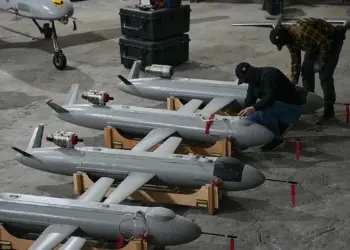
The agency had previously published an interactive model and component list for the Shahed-107. This UAV is a high-wing design with a wingspan of 3 m and an X-shaped tail for stabilization. Its airframe combines carbon fiber with aluminum structural elements. The drone was first introduced by the Islamic Revolutionary Guard Corps in summer 2025. Subsequent analysis by Ukrainian intelligence identified components originating from the United States, Switzerland, China, Japan, Taiwan, the Netherlands, and Ireland. The current update adds 15 additional components discovered in a separate sample of the UAV, further expanding the existing database of its foreign-sourced parts.
Recent developments in the Middle East indicate that the weapons Russia is currently using against Ukraine also pose a potential threat of terrorist attacks and strikes on civilian infrastructure in other regions of the world. The release and dissemination of this information is intended to support coordinated international efforts to counter the proliferation and use of such weapon systems.
Read also:
- Ukrainian Drones Strike Aircraft Repair Plant in Crimea and Two Air Defense Systems
- Fire Point Releases Video of Initial Launches of Ukrainian FP-7 Ballistic Missiles
Source: gur