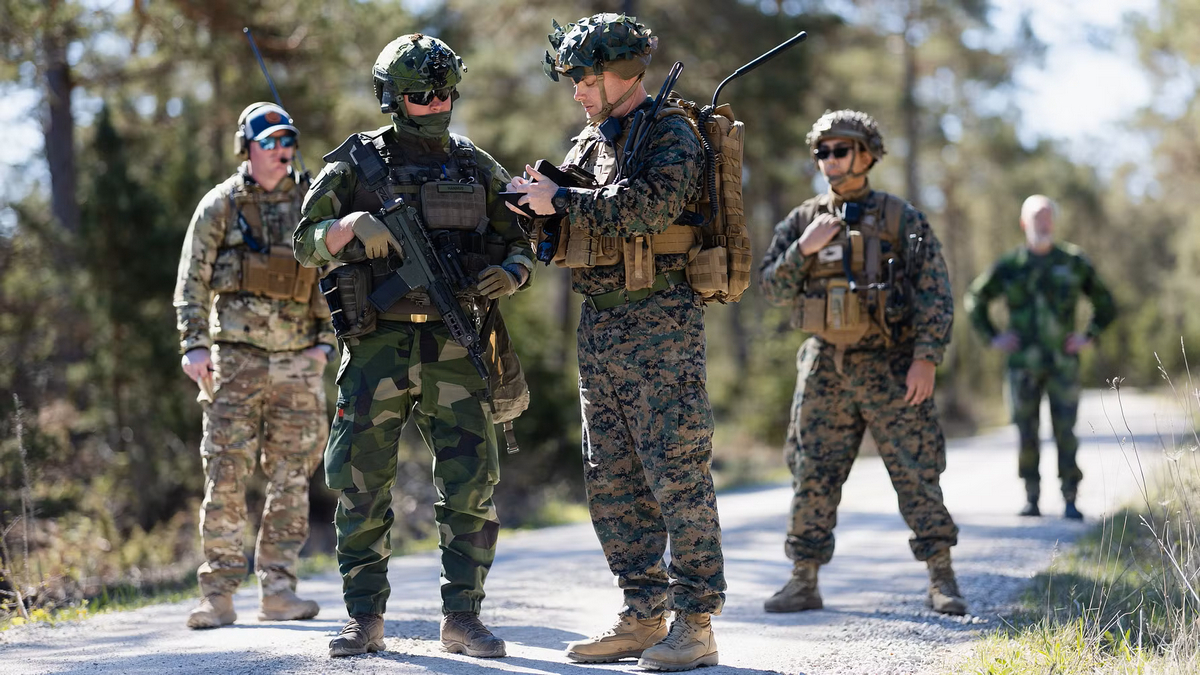
On 13 May, the large-scale military exercise Aurora 26 concluded. The exercise represented a significant event for Sweden’s defense sector and is considered one of the largest drills conducted in the country, as well as the first of this scale since its accession to the Alliance. Training areas across Sweden hosted contingents from twelve member states of NATO, with the United States playing a leading role among them.
Despite not being a member of the Alliance, Ukraine participated in the exercise in a distinct role. Ukrainian personnel were involved as instructors, sharing operational experience gained in contemporary high-intensity warfare. Some of the participants were temporarily reassigned from active combat sectors for the purpose of the exercise.
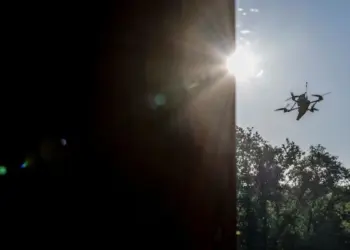
During the training, Ukrainian operators provided instruction to NATO personnel on the use of unmanned aerial systems, including FPV drone operations. The engagement allowed participating forces to observe and study practical aspects of drone warfare as applied in current combat environments.

The training exercise Aurora 26 brought together approximately 18,000 service members from 12 allied countries and Ukraine. During the exercise, particular attention was given to reinforcing strategically important areas and practicing responses to potential threats against the Alliance. A key phase of the maneuvers involved the rapid redeployment of Swedish and allied units from mainland Sweden to Gotland, which is considered an important location within the regional security environment of the Baltic Sea.
To strengthen defensive capabilities on the island, more than 1,000 personnel were deployed during the final stages of Aurora 26. Allied forces contributed air defense systems, logistical assets, and infantry units. Ukrainian drone crews operated alongside these formations, supporting the training scenario with unmanned systems capabilities. The exercise commander, Jonas Wikström, noted that a critical element of collective defense is the ability to deploy units to the required location within a defined timeframe while maintaining the necessary level of readiness.
Practical activities during the exercise indicated Sweden’s ability to effectively support multinational contingents and allied forces, enabling coordinated movement of units across NATO member states’ territories in response to crises or emerging threats. According to Wikström, the successful transit of personnel, equipment, and supplies through Swedish territory to Gotland demonstrated the country’s readiness to serve as a reliable logistical hub for the Alliance.
Ukraine played a separate role in the exercise, deploying several units of drone operators. Ukrainian personnel contributed operational experience from contemporary high-intensity warfare and integrated unmanned systems practices into joint training activities with NATO forces, which supported interoperability between participants.
The training scenario simulated a NATO member state facing a security threat on the Alliance’s eastern flank. The exercise included elements such as sabotage, cyberattacks, disruptions to energy supply, and logistical constraints, with a particular focus on unmanned aerial systems. Ukrainian FPV drone operators acted as part of the opposing force in certain scenarios, testing defensive responses of participating units.
In one of the training episodes, opposing-force drone activity led to the temporary disruption of Swedish units within the exercise framework, illustrating the growing role of unmanned systems in modern battlefield conditions. The exercise leadership noted that Ukraine’s operational experience is a significant reference point for NATO countries in adapting to evolving forms of warfare.
The exercise Aurora 26 took place against the backdrop of ongoing global instability and a deteriorating security environment. The war initiated by Russia against Ukraine is widely regarded by European security assessments as one of the most significant threats to stability in Europe since the end of the Second World War. In this context, Aurora 26 served as a demonstration of the need for continuous modernization of defense capabilities and regular joint training among allied forces. Such exercises are intended to improve coordination, strengthen deterrence, and enhance preparedness for a range of potential security scenarios affecting NATO member states and partners, including Sweden and the broader European region.
Read also:
- New Group of Ukrainian Students Completes Flight Training Program in United Kingdom
- The Era of AI Killers: Combat-Proven Ukrainian Hornet Drones Destroy a Simulated Chinese Fleet in the Philippines
Source: mynewsdesk