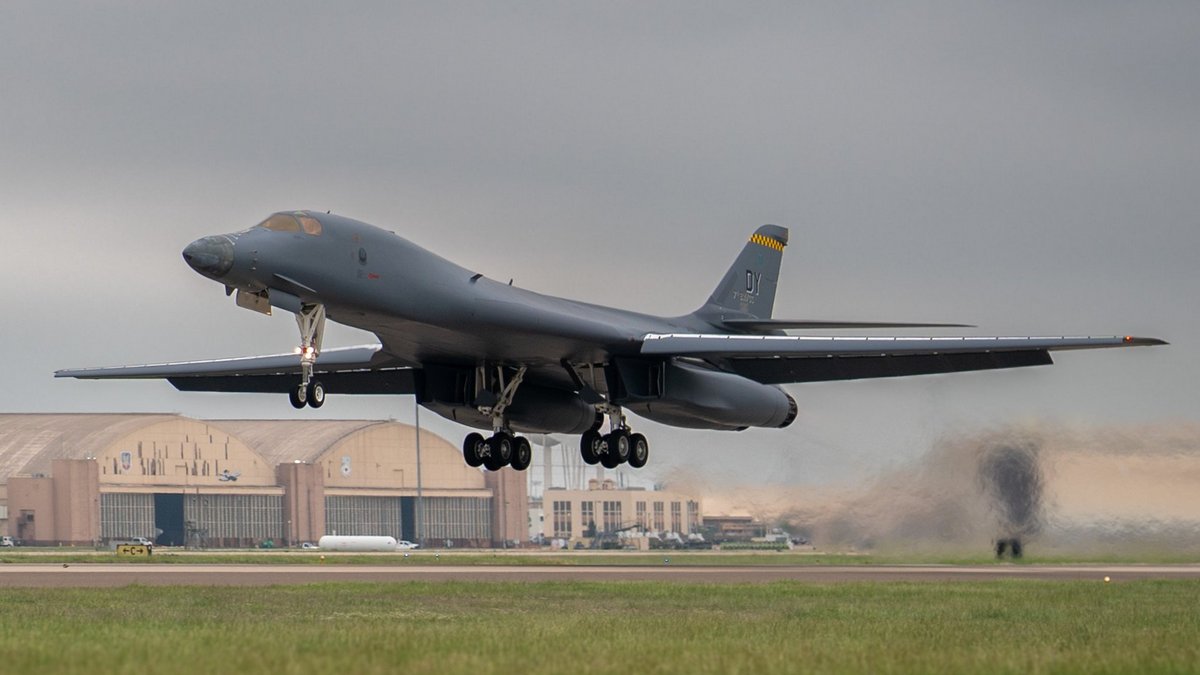
The United States Air Force has completed a complex restoration process for a B-1B Lancer bomber, transforming an aircraft once intended for spare-parts storage in the Arizona desert into the new flagship aircraft of the 7th Bomb Wing at Dyess Air Force Base. The aircraft, tail number 86-0115, was transferred to storage at Davis-Monthan Air Force Base in 2021. Last month, however, it was officially returned to active service, moving from reserve status back into frontline operational use. Three years ago, Air Force Global Strike Command retired this aircraft along with 16 other B-1B bombers, while only four airframes were preserved in a condition suitable for potential future restoration.

The active phase of the aircraft’s reconstruction began in July 2024, when it was flown from the Arizona desert to the logistics complex at Tinker Air Force Base for restoration work. According to official photographs released in early May, the aircraft was still conducting test flights in February without external paint, exposing the bare metal surface of the airframe. Final painting work was completed only in April. Representatives of the 72nd Air Base Wing at Tinker described the aircraft as the subject of an extensive technical regeneration and depot-level maintenance effort.
More than 200 military personnel and civilian specialists from the 567th Aircraft Maintenance Squadron participated in returning the aircraft to operational condition. The restoration process involved the installation of more than 500 new components and mechanisms, along with extensive systems inspections and major structural repairs. Work continued around the clock, with three rotating shifts operating continuously to prepare the bomber for delivery on schedule. The restored aircraft received the official name “Apocalypse II.” The designation commemorates the crew of a Consolidated B-24 Liberator nicknamed “Apocalypse,” which was shot down over Burma on December 1, 1942.
Following completion of the work, the aircraft departed Tinker Air Force Base on April 22 and flew to its permanent station at Dyess Air Force Base, where an official presentation ceremony took place. Toward the end of last month, original nose art was also applied to the aircraft.
The original “Apocalypse” belonged to the 436th Bombardment Squadron, which is considered the historical predecessor of the modern 436th Training Squadron based at Dyess Air Force Base. In recent years, DNA analysis has helped identify the remains of several crew members from the lost Consolidated B-24 Liberator, after which they were buried with military honors. Interestingly, during its previous period of service, aircraft 86-0115 carried a different name: “Rage.”
It is worth noting that “Apocalypse II” became the second B-1B restoration completed by the specialized regeneration and reclamation team. An earlier case involved the return of the aircraft “Lancelot,” which was restored to replace another bomber that suffered major damage following an engine fire in April 2022. In addition, one Rockwell B-1B Lancer was lost in a crash at Ellsworth Air Force Base in January 2024. Current budget planning for fiscal year 2027 предусматривает maintaining a combat fleet of 44 B-1 aircraft, after lawmakers blocked further reductions to the bomber fleet.
According to budget documents, military leadership now intends to keep part of the Rockwell B-1B Lancer fleet in service until at least 2037, allocating approximately $342 million for modernization efforts. Earlier plans had anticipated the complete retirement of the aircraft at the beginning of the next decade, with their role gradually replaced by the newer Northrop Grumman B-21 Raider. At present, the B-1B remains the U.S. Air Force aircraft with the highest conventional weapons payload capacity and continues to be actively used in combat operations against Iran as part of the “Epic Fury” campaign.
Before the ceasefire agreement reached last month, U.S. strategic bombers operating from RAF Fairford were conducting daily sorties. At present, roughly two dozen bombers remain stationed in the United Kingdom, primarily Rockwell B-1B Lancer aircraft, along with several Boeing B-52 Stratofortress bombers. In addition, strikes against targets in Iran were carried out by B-1, B-52, and Northrop Grumman B-2 Spirit aircraft operating directly from the continental United States.
Read also:
- B-52 to Receive a Second Life: U.S. Invests Billions in Bomber Modernization
- American Attack Aircraft, Part 11: Near-Bomber Designs of the Second World War
Source: airandspaceforces