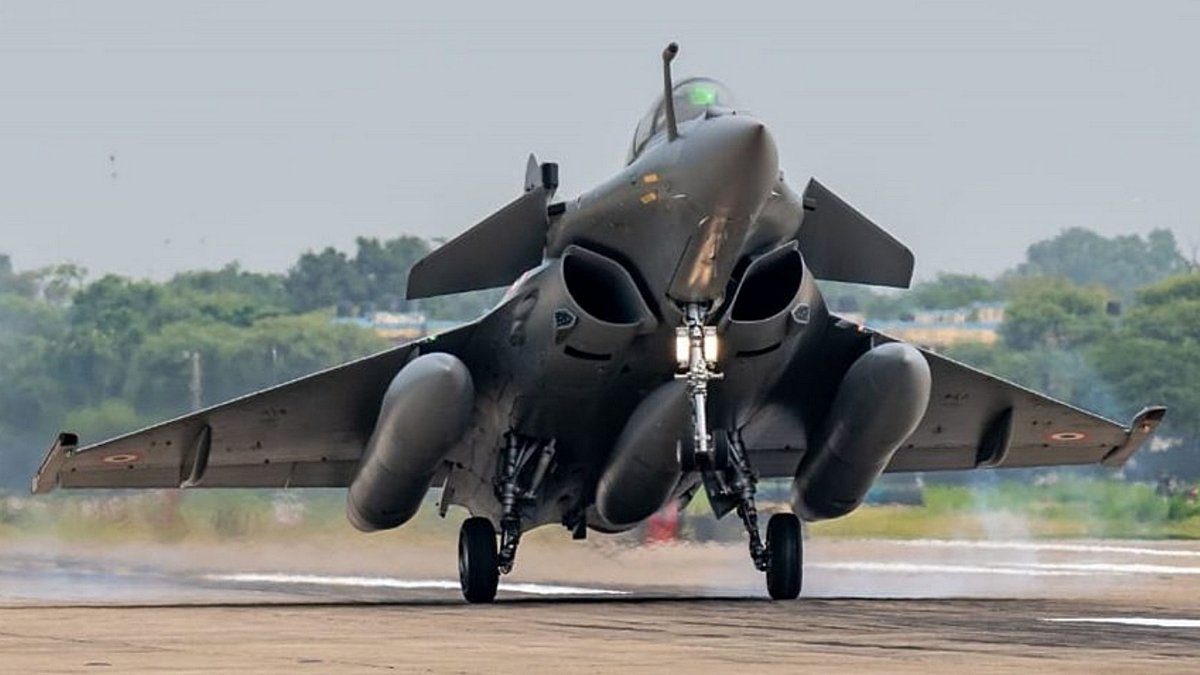
Indian authorities have formally approved a major expansion of the country’s air fleet. On 12 February 2026, the Defence Acquisition Council granted Acceptance of Necessity (AoN) for the procurement of 114 additional Dassault Rafale fighter jets.
Under the proposed plan, 18 aircraft will be delivered directly by the French manufacturer Dassault Aviation, while the remaining 96 units are to be assembled in India. The decision forms part of the Multi-Role Fighter Aircraft (MRFA) program and precedes an official visit to New Delhi by French President Emmanuel Macron.

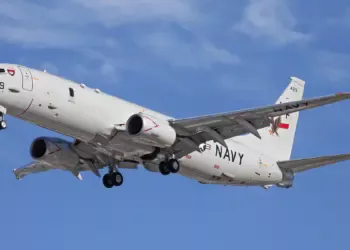
The new batch of aircraft will conform to the F4 standard, with the option for future upgrades to the F5 level. The existing 36 F3R aircraft are also scheduled to be upgraded to the F4 configuration. In addition to the fighters, the defense ministry has allocated approximately $40 billion for other procurement needs, including six Boeing P-8I Poseidon maritime patrol aircraft for the navy and modern missile systems for the army.
India’s selection of the Dassault Rafale dates back to 2007. After the original Medium Multi-Role Combat Aircraft (MMRCA) tender was canceled in 2015 due to disagreements with Dassault Aviation over guarantees for local production, Prime Minister Narendra Modi initiated a direct government-to-government purchase of 36 aircraft. Analysts note that had the original agreement proceeded uninterrupted, India might already possess a substantial domestic maintenance base for the type and could potentially serve as a regional support hub for other operators, such as Egypt or Indonesia.
The requirement for additional aircraft is considered critical. The Indian Air Force currently operates 29 squadrons, compared to the assessed need for 42 to effectively deter potential threats from China and Pakistan. With domestic programs such as the HAL Advanced Medium Combat Aircraft (AMCA) and the HAL Tejas Mk2 still in development or facing delivery delays, the selection of the Dassault Rafale represents a pragmatic interim solution. Military officials emphasize the aircraft’s high level of tactical interoperability and the availability of supporting infrastructure, which simplifies integration and operational deployment.
The new Rafale F4 aircraft will feature upgraded RBE2 XG radar systems, protected Thales communications, and compatibility with the latest munitions, including the precision-guided AASM Hammer. An additional advantage will be the opening of a Safran service center in 2026 to support M88 engines, providing maintenance capabilities for both the Air Force fleet and the navy, which previously selected the Rafale M naval variant for the INS Vikrant.
Read also:
- Rafale for Ukraine: What Kind of Aircraft Is It and What Could It Mean?
- Weapons of Ukraine’s Victory: MICA Air-to-air Missile
Source: TheAviationist