Saudi oil giant Saudi Aramco is considering the purchase of Ukrainian interceptor drones to protect critical infrastructure from potential aerial attacks by Iran. According to The Wall Street Journal, citing its own sources, the company is already in negotiations with at least two Ukrainian firms.
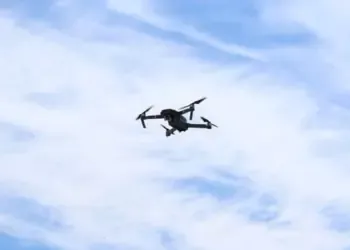
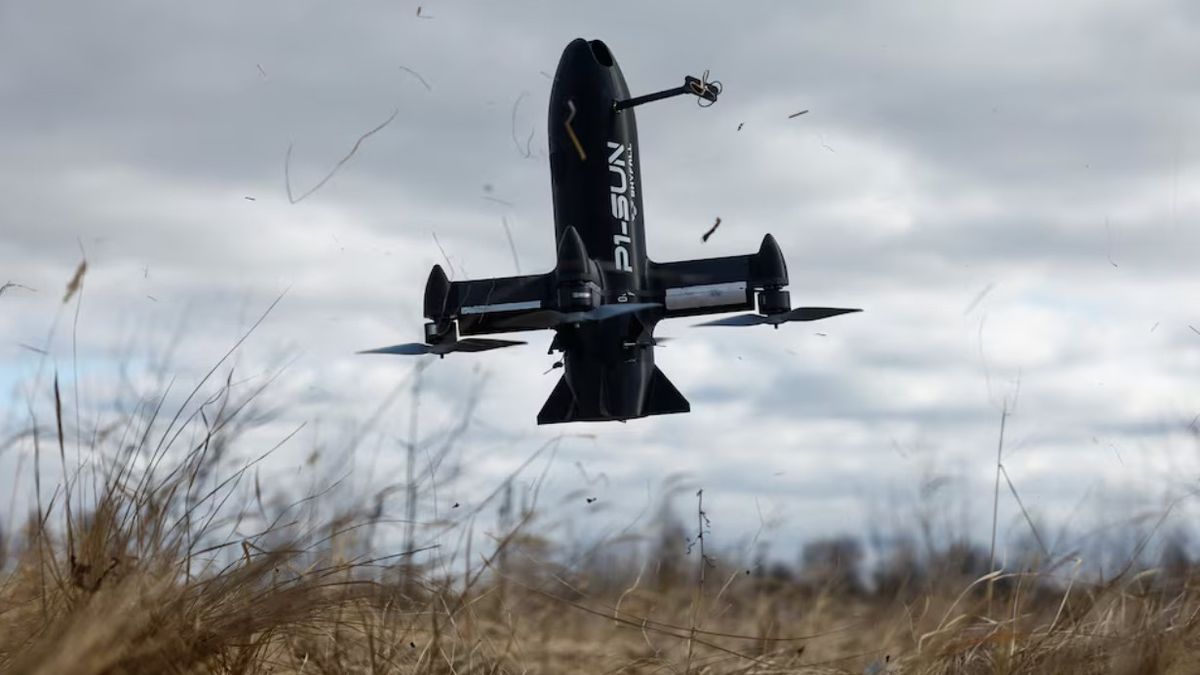
These include Wild Hornets, which produces the Sting drone and several other models, and SkyFall, the developer of the P1-SUN interceptor. Their drones are designed to physically disable or destroy hostile drones directly in the air.
According to the report, Aramco is actively seeking to secure supplies of these unmanned systems and aims to move ahead of other potential buyers in the region, including Qatar. Representatives from Qatar have already visited Ukraine to study the experience and technologies developed during the full-scale Russian invasion.

Interest in Ukrainian defense technologies is not limited to the corporate level. Government representatives in Saudi Arabia are also considering state-level procurement of similar counter-drone systems. Sources familiar with the negotiations told The Wall Street Journal that officials in Riyadh have established contact with the Ukrainian company Phantom Defense. The firm specializes in electronic warfare systems capable of disrupting the connection between hostile drones and their operators.
If the contracts – potentially worth several million dollars – are signed, Saudi Arabia could deploy Ukrainian technologies that have already been tested in combat to protect its oil and gas infrastructure. The focus is on countering Iranian loitering munitions such as the Shahed drone, which are also being used by Russian forces in attacks against Ukraine.
Although the negotiations remain at the discussion stage, interest from states in the Persian Gulf reflects a broader shift in approaches to modern air defense. Instead of relying solely on extremely expensive missile systems, countries are increasingly paying attention to innovations developed by the Ukrainian defense industry. These technologies offer significantly more cost-effective methods for countering large-scale attacks involving small unmanned aerial vehicles.
The main driver behind these negotiations is the extremely high cost of existing air defense systems in the Middle East. For many years, countries in the region have had to rely on expensive interception systems to destroy relatively inexpensive Iranian loitering munitions.
It has previously been reported that intercepting a single target with the American MIM-104 Patriot air defense system may require two PAC-3 missile missiles. As a result, the cost of a single interception can exceed $10 million. This situation creates a substantial financial burden for Saudi Arabia and the United Arab Emirates, both of which have already spent billions of dollars repelling similar attacks.
In contrast, Ukraine has significantly changed the economics of countering drones. Through the rapid development of domestic defense technologies, the country is now capable of deploying up to 1,500 specialized FPV interceptor drones per day. These systems are considerably cheaper while maintaining high effectiveness against threats such as the Shahed drone, which also pose a risk to states in the Persian Gulf region.
Volodymyr Zelenskyy recently stated that Ukraine has received a number of inquiries from countries bordering Iran regarding potential security cooperation. The talks with Saudi Aramco suggest a growing recognition in the region that Ukrainian interceptor drones – tested in combat conditions – could become one of the more effective and economically viable options for countering the increasing threat posed by Iranian “Shahed” drones.
Read also:
- Costly Refusal: Ukraine Offered the U.S. a Solution Against Iranian Drones Last Year
- Ukrainian Drones Strike Aircraft Repair Plant in Crimea and Two Air Defense Systems
Source: united24media