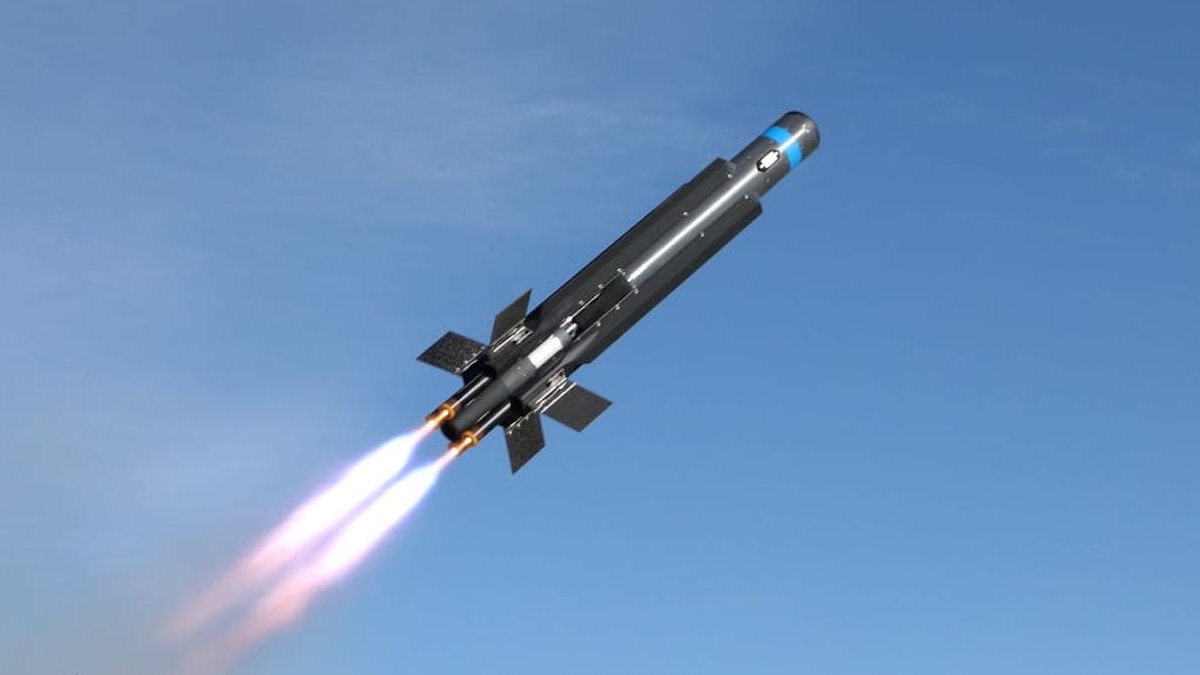
The American company Raytheon demonstrated a new version of the Coyote Block 3 interceptor, capable of neutralizing drone swarms using electromagnetic weapons. During tests for the U.S. Army, the drone engaged targets with what has been described as an “invisible shot,” representing a potentially more cost-effective alternative to conventional interceptors with explosive warheads.
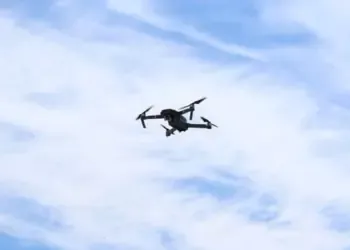
A key challenge in modern counter-drone operations is the cost ratio: drones are relatively inexpensive and can be deployed in large numbers, while traditional missiles or kinetic interceptors are significantly more costly and have limited ammunition. The conventional “one shot–one target” approach can quickly deplete defense system resources during mass attacks.

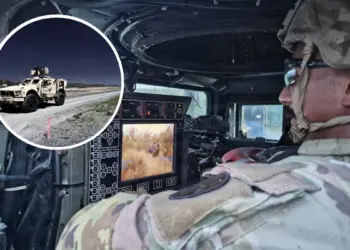
The tests were conducted at the Yuma Proving Grounds in Arizona, USA, as part of the Low, Slow, Small-Unmanned Aircraft Integrated Defeat System (LIDS) program. The scenario involved an attack by approximately ten drones from multiple directions, allowing evaluation of the Ku-band radar sensor, target tracking algorithms, and Coyote’s ability to autonomously prioritize and engage targets.
Coyote Block 3 represents the third generation of the platform. The first version was an electric reconnaissance drone with a propeller engine and foldable wings. Block 2 introduced a turbojet engine, transforming it into an interceptor with an explosive warhead. The latest version retains the turbine configuration and core performance characteristics, but replaces explosives with an energy-based weapon and can be recovered and reused after return, for example using a net capture system.
The specific type of weapon has not been disclosed, but it is likely either a high-power microwave (HPM) system, which disables drone electronics through directed pulses, or electronic warfare equipment that disrupts control signals. Miniaturization of these systems allows them to be deployed on small drones at close range to increase operational effectiveness.
Specifications for Coyote remain classified; however, it is known to be capable of intercepting Group 2 and Group 3 drones, functioning as a node within an air defense network, and coordinating actions with other units. The drones can share data and autonomously allocate targets without continuous operator input, enabling optimized responses to multiple threats simultaneously.
A key advantage of the concept is its reusability: the platform can patrol and engage targets while only consuming fuel and battery resources, without being expended after each interception.
Read also:
- First Ukrainian-German Drone Manufacturing Company Launches in Munich
- Ukrainian Defense Forces Conducted Drone and Missile Strikes on Infrastructure at the Kapustin Yar Test Range
Sourse: NewAtlas