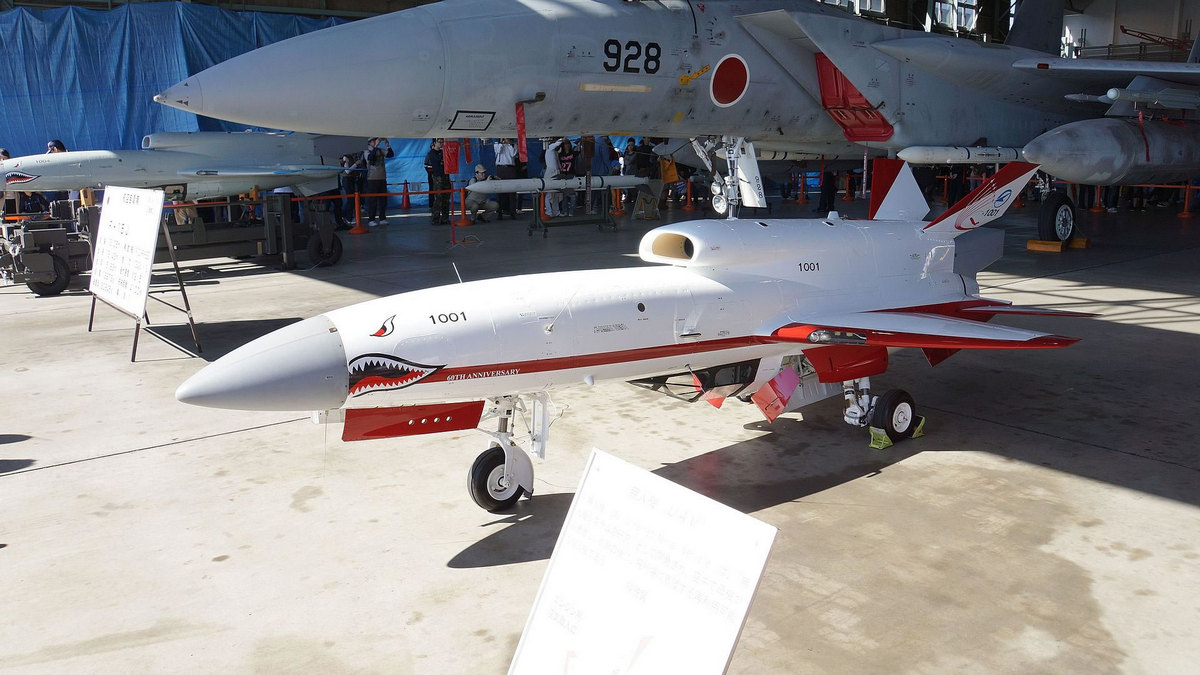
Japan has announced plans to develop a fleet of autonomous drones and low-cost missiles aimed at countering perceived threats from China and other regional actors. According to reports, the initiative focuses on producing a large number of inexpensive, long-endurance systems with a range exceeding 1,000 km, with the objective of potentially outmatching any adversary. Rather than deploying a limited number of high-cost missiles, the strategy emphasizes the use of thousands of drones and budget-friendly missiles. The plan also includes both underwater and aerial drones, which are intended to operate as part of an integrated strike system.

This move reflects Japan’s departure from nearly eight decades of strictly defensive military policy and indicates a shift in strategic thinking, where, under certain conditions, quantity may take precedence over quality – a concept already observed in conflicts in Ukraine and the Middle East.
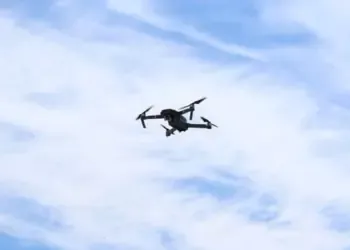
Autonomous drones and munitions, often referred to as “kamikaze” systems, are compact UAVs capable of covering long distances. The term originates from Japanese suicide pilots of World War II. These drones can independently seek, track, and strike targets, detonating on impact. Examples include the Iranian Shahed-136, the U.S. Switchblade, and the Russian Lancet. Such systems are characterized by low cost, difficulty of interception, and high operational effectiveness in combat scenarios.
Cost represents a key advantage of these drones. A single high-quality autonomous drone is estimated at around $35,000, significantly less expensive than a cruise missile, which can exceed $1 million. This means that the price of a single cruise missile could procure more than two dozen drones, which, in large numbers, could potentially saturate air defense systems. With an advertised range of 1,000 km, such systems could reach targets like Shanghai or Taiwan from Japanese territory, providing the country with meaningful counterstrike capabilities in the event of conflict.
The “integrated strike” strategy envisions the initial deployment of large swarms of inexpensive drones to degrade the effectiveness of enemy radar and air defense systems, followed by missile strikes against critical targets.
Japan also plans to deploy underwater, surface, and other submersible drones, which significantly complicates detection and poses additional challenges for defensive systems. In parallel, the country intends to enhance its conventional “premium” strike capabilities, including modernizing its fleet with Tomahawk cruise missiles with ranges of 1 to 1,600 km. This expansion would enable Japan to project a credible threat to mainland China and other regional actors, including North Korea.
Read also:
- Everything About Ukrainian Interceptor Drone JEDI Shahed Hunter
- FPV Drone vs. “Alligator”: Ukrainian Unmanned Forces Destroy Russian Kamov Ka-52
Source: interestingengineering