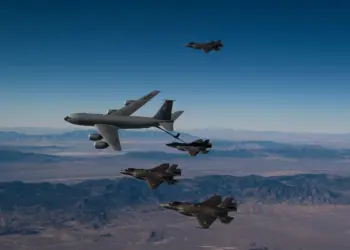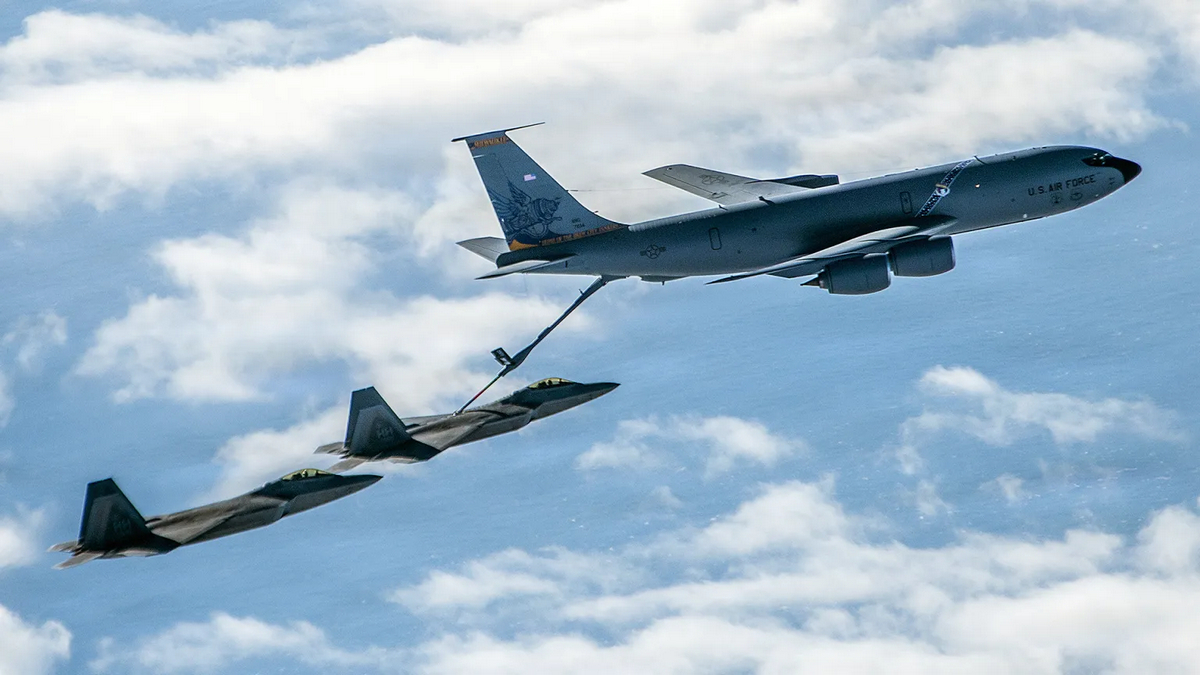
The U.S. Air Force is facing increasing strain on its aerial refueling fleet amid the ongoing Epic Fury operation. Much of this fleet consists of aircraft over 60 years old, which provide fuel to aviation units operating in the Middle East. The situation has been further complicated by losses: one KC-135 was destroyed, another damaged in a mid-air collision over Iraq, and several additional aircraft were damaged or destroyed on the ground by long-range Iranian strikes.

This situation raises questions about whether U.S. aviation can simultaneously support combat operations in other regions, particularly the Pacific. Retired U.S. Air Force Colonel Troy Pananon, who previously commanded a tanker wing, acknowledged that demand for these aircraft is already very high. The retirement of the KC-10 created a gap that is difficult to fill quickly. At the same time, the fleet remains globally deployed, including in the Pacific region, allowing for the rapid repositioning of resources.
Read also: All About the NGAS Tanker Aircraft Project and Its Prospects
According to him, the U.S. is technically capable of supporting operations in two distant theaters simultaneously, but doing so would place significant strain on the entire system. Domestic security requirements, which also demand tanker resources, cannot be ignored, making a full redeployment of forces to external operations unfeasible.
Pananon notes that even with support from higher command, resources are not unlimited. A high operational tempo inevitably accelerates equipment wear, increases the burden on logistics and supply chains, and affects long-term procurement plans.
A separate challenge is the potential conflict with China, where distances are much greater and the operational environment is more demanding. Long-range flights, particularly under contested conditions, place significant physical strain on crews. Operations across multiple time zones and extended missions lead to cumulative fatigue, which directly affects safety. Supporting such operations would require a substantial increase in personnel – sometimes double the standard levels.
This need extends beyond pilots to the entire support infrastructure, including controllers, technicians, and logistics. The scale and remoteness of the Pacific theater make it one of the most challenging environments for sustaining aviation operations.
Another critical factor is the vulnerability of the tankers themselves. They lack sufficient protection against modern missiles or fighter aircraft. Technologies such as infrared countermeasure systems can improve survivability, but the primary approach remains keeping these aircraft outside enemy threat zones.
In this context, other components of the military system play a key role in neutralizing or deterring threats. Tankers must operate from a safe distance and have the ability to reposition quickly if a threat emerges.
For missions into high-threat areas, Pananon emphasizes the need for a layered strategy. Airspace preparation is conducted by other platforms, including strategic bombers such as the B-2A and the forthcoming B-21, as well as unmanned systems capable of degrading portions of enemy air defenses.
Proposals to equip tankers with additional protective measures, including electronic warfare systems or even escort interceptors, are under consideration, but implementation faces resource constraints and integration challenges. This is particularly true for aging KC-135 aircraft, where the introduction of modern technologies is complicated by architectural limitations and data processing delays.
The KC-46 is considered a more promising platform for modernization due to its more advanced systems. However, even in this case, implementing new solutions requires time, funding, and personnel training. Simply installing new systems without proper integration does not guarantee effectiveness.
Pananon also highlights the importance of communication and data exchange. Effective communication is essential for maintaining situational awareness, which is critical for coordinating operations. It is important not only to select appropriate technology but also to ensure interoperability across different service branches and allied forces.
He emphasizes that an optimal model involves continuous data exchange among all elements – from combat aircraft to command centers. This allows decision-making cycles to be completed more quickly and enables more effective responses than the adversary.
In practice, enhanced interoperability could take the form of sharing threat data directly between aircraft during refueling operations. In this scenario, the tanker crew gains a comprehensive view of the operational environment, including hazardous areas and safe corridors, significantly improving both mission effectiveness and safety.
Read also:
- Tool of Global Power Projection: All About U.S. Air Force Aerial Refueling Aircraft
- End of an Era: The Last Boeing 747-100 Has Been Destroyed
Source: TWZ