NATO has officially launched its annual Steadfast Noon exercise, designed to test the readiness of the Alliance’s nuclear deterrence forces and promote transparency in its nuclear policy. According to NATO officials, the drills are routine and not connected to any current global events.
This year’s exercise is led by the Netherlands, with Volkel Air Base serving as the main hub. Additional operations are being conducted from Kleine-Brogel Air Base in Belgium and Royal Air Force Lakenheath in the United Kingdom. The maneuvers involve around 70 aircraft from 14 NATO member states, supported by nearly 2,000 military personnel directly engaged in operational activities.

NATO Secretary General Mark Rutte emphasized in his video address that “the purpose of these exercises is to ensure that our nuclear deterrent remains as reliable, safe, and effective as possible. It is also a signal to any potential adversary that we are capable of protecting and defending all Allies against any threat.”
Alliance representatives stressed that no live nuclear munitions are used during Steadfast Noon. The exercise focuses on coordination and interoperability, involving both conventional and dual-capable aircraft, as well as components of intelligence gathering, aerial refueling, and command coordination.
According to Jim Stokes, NATO’s Director of Nuclear Policy, the Alliance is communicating more openly about the exercise this year to highlight its defensive and routine nature. “We want to make sure people understand that we are a responsible nuclear alliance,” he said. “We are not acting aggressively, nor do we engage in reckless nuclear rhetoric.”
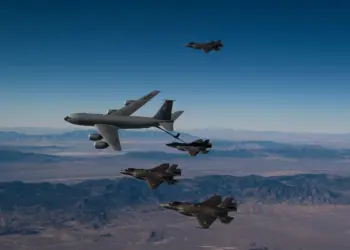
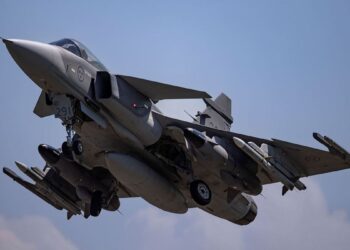
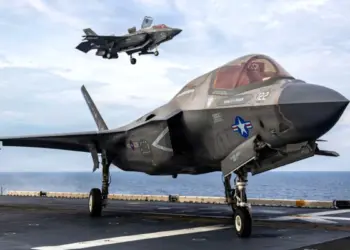
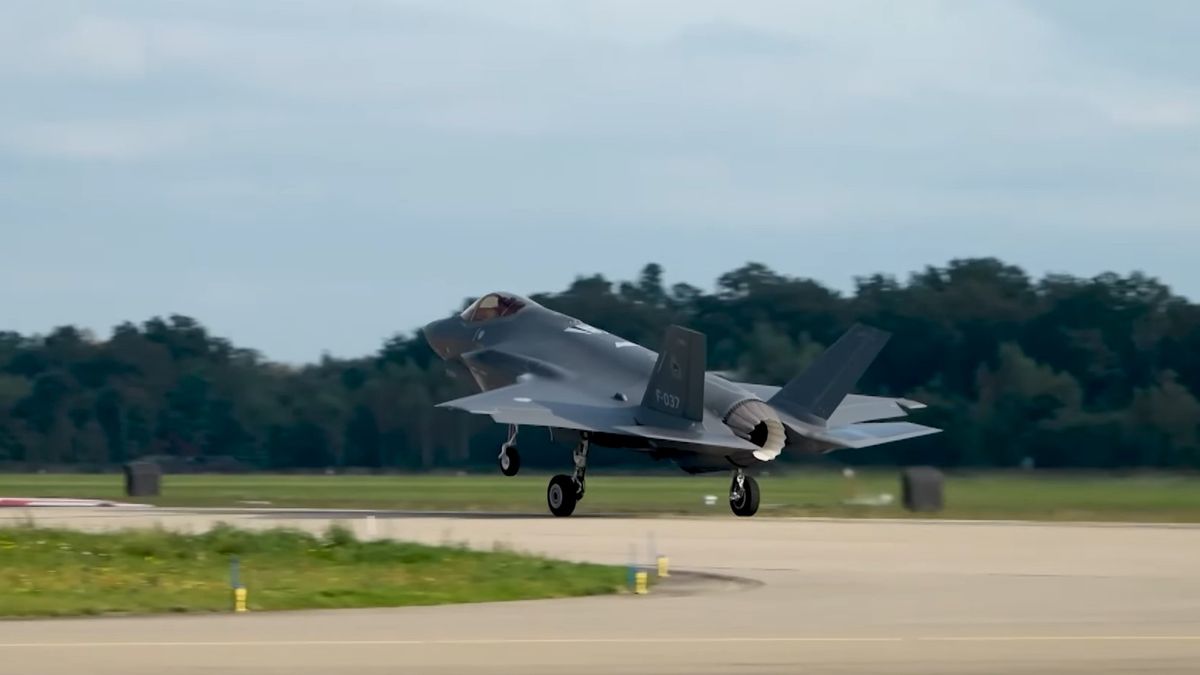
One of the main innovations of this year’s Steadfast Noon exercise is the participation of the United States with four F-35 fighter jets, which for the first time are taking on the role of dual-capable aircraft – a role previously performed by the F-15E Strike Eagle. In addition, the U.S. is contributing tanker and support aircraft for training operations. The Netherlands is also deploying its own F-35s from Volkel Air Base, while Sweden – not yet a NATO member but a close partner of the Alliance – has joined the exercise with its Gripen fighters. A significant portion of the support aircraft operate from Skrydstrup Air Base in Denmark.
Participating nations are providing platforms for electronic warfare, reconnaissance and surveillance aircraft, command systems, and aerial refueling assets, all described as “key to achieving long-range operational objectives.”
Although the drills are taking place amid heightened global tensions and increased scrutiny of nuclear arsenals, NATO emphasizes that Steadfast Noon remains a strictly defensive and annual exercise.
Each year, responsibility for organizing the Steadfast Noon exercise rotates among participating nations. According to NATO, this year’s drills involve more aircraft than in previous years – approximately 70, compared to around 60 in 2022–2024. In addition to strike aircraft, dozens of support platforms are taking part. A dedicated phase of the exercise focuses on protecting ground-based nuclear facilities from potential threats. All participating pilots and aircraft are certified for nuclear missions, though no weapons are loaded during training.
In recent years, NATO has deliberately increased transparency around its nuclear exercises, aiming both to reassure the public and allies and to deter potential adversaries. “We promote transparency when appropriate, so that the populations of our member countries – and the world – understand what we are doing,” noted Jim Stokes.
Read also:
- UK Considers Purchasing F-35A Jets Capable of Carrying Nuclear Weapons
- Ukraine Integrates NATO’s CSI Command and Control System into Its Combat Aviation
Source: interestingengineering