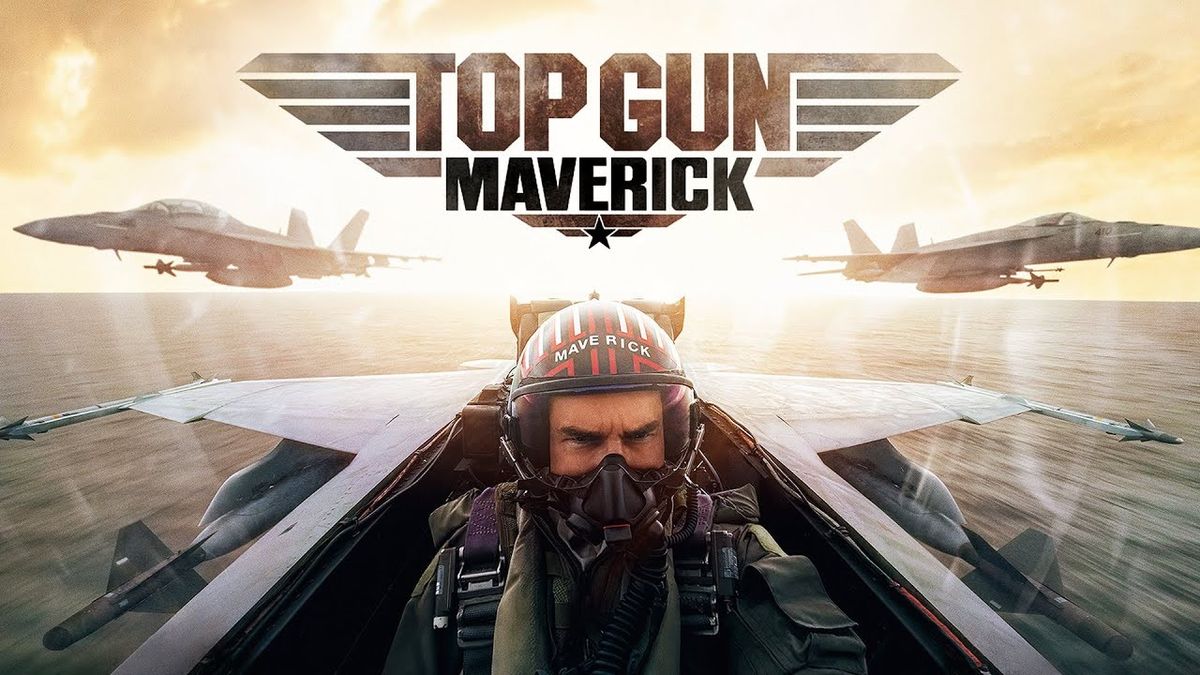
In May 2022, fans of the film Top Gun welcomed the release of its long-awaited sequel, Top Gun: Maverick, in which Tom Cruise – then 60 – returned to the role of pilot Pete “Maverick” Mitchell. The film depicts the character flying aircraft such as the F/A-18 Super Hornet and the F-14 Tomcat, alongside scenes involving high-speed motorcycle riding and flights in a privately owned P-51 Mustang.
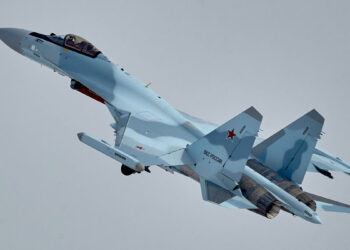
According to the plot, the characters are assigned by the U.S. Navy to destroy an unauthorized uranium enrichment facility located within a deep canyon. The site is protected by S-125 Neva/Pechora systems, GPS jamming capabilities, and Sukhoi Su-57 aircraft. Pete “Maverick” Mitchell develops an attack plan involving two pairs of F/A-18E/F Super Hornets.

If the film had aimed for a higher degree of realism, several changes could have been made. Former U.S. Navy pilot Adam Demeaud, who flew the F/A-18 Super Hornet, shared his observations on Quora.
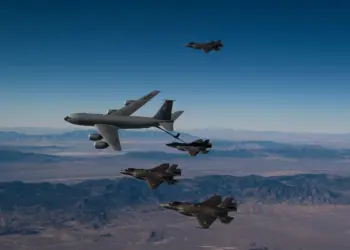
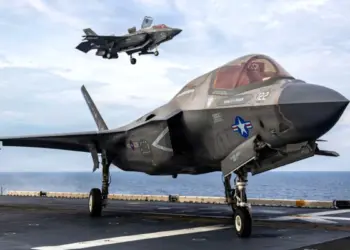
In his view, Top Gun: Maverick is an engaging film, but some elements could have been presented with greater accuracy. He noted that the use of a two-seat Super Hornet is largely driven by filming requirements; from an operational standpoint, the F-35 Lightning II would be a more plausible choice. He also highlighted the low-altitude flight profile depicted in the film, describing it as highly risky. In a real-world scenario, he argues, aircraft would be more likely to operate at higher altitudes.
The pilot also pointed to the absence of EA-18G Growler aircraft in the film. In his view, many of the depicted surface-to-air missile systems could have been neutralized using AGM-88E AARGM missiles or electronic warfare measures.
He further identified what he considers a fundamental issue related to the depiction of flight physics:
“The most significant inaccuracy in the film is a misunderstanding of basic physical principles. When the aircraft exit the threat envelope, they may briefly experience high g-forces, such as the 10G mentioned. However, these loads result from changes in direction,” he explains. “If I pull the control stick back abruptly, I will feel increased g-forces, but once the aircraft transitions into a vertical climb to clear terrain, those forces dissipate. If I were to continue pulling with acceleration, the aircraft would simply enter a loop.”
Another contested element is the appearance of the F-14 Tomcat in the final part of Top Gun: Maverick. He acknowledged that this choice reflects the character’s background as a Tomcat pilot, but noted that such aircraft have not undergone regular operational maintenance for decades.
He added that a more realistic portrayal would likely have reduced the film’s dramatic intensity:
“That’s the issue – if my changes were applied, the film would probably be extremely dull, with very little action. In actual operations, the highest g-load I recall experiencing was around 4G, and that only happened twice,” Demeaud explains. “Once when I approached a tanker at high speed and mishandled the maneuver, and another time during a combat approach into Al Asad in Iraq. Our initial profile, about five miles out, was around 10,000 feet, and we had to generate significant g-forces to reduce speed.”
“The two occasions when I engaged another aircraft were among the calmest encounters I’ve experienced. The g-loads were minimal and not a determining factor,” he added.
In summary, Adam Demeaud emphasized that he would not significantly change the film Top Gun: Maverick, as real combat operations tend to be far less visually dynamic. In his view, audiences expect a tense narrative and fast-paced action. At the same time, he highlighted one aspect as notably accurate – the choreography on the aircraft carrier flight deck, which he considers to be depicted with a high degree of realism.
It remains to be seen how a potential third installment centered on Pete “Maverick” Mitchell will approach this balance between realism and cinematic appeal.
Read also:
- Old Aircraft, New Weapons, New Tactics: Ukraine Is Redefining Counter-Drone Warfare
- Who Manufactures the Su-57: Ukrainian Intelligence Reveals the Fighter Jet Production Chain
Source: theaviationgeekclub