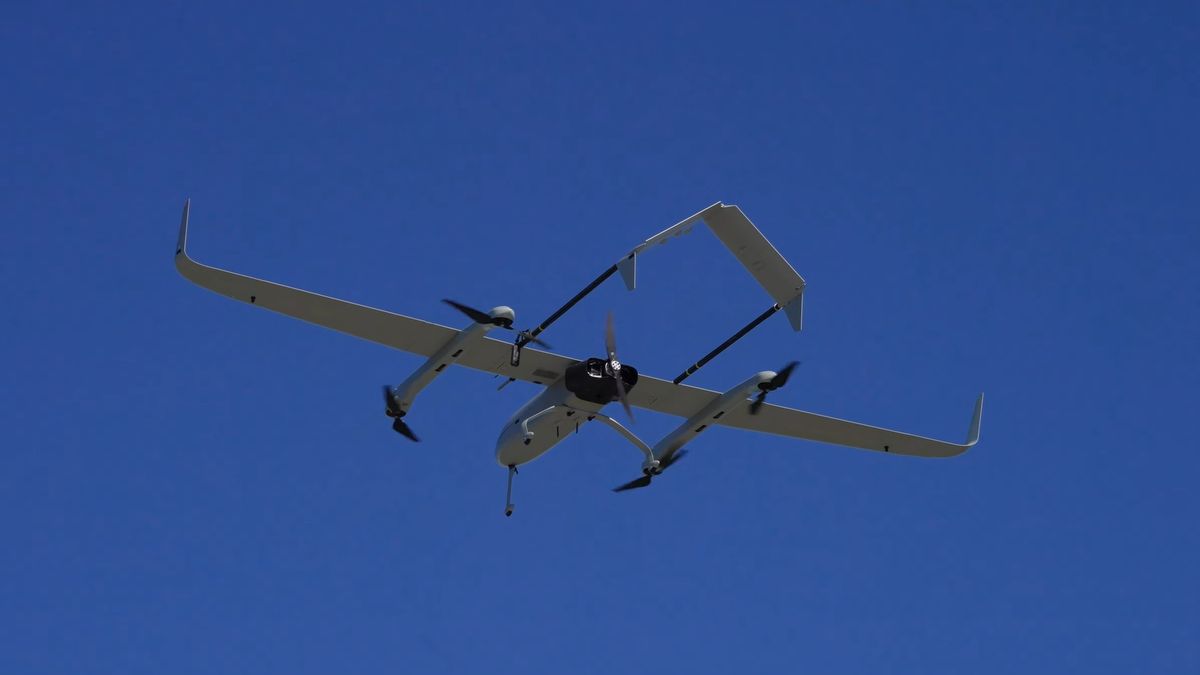
Unmanned aerial vehicles have become a key component of Ukraine’s defense, performing a wide range of tasks: conducting frontline reconnaissance, adjusting artillery fire, delivering supplies to high-risk areas, and carrying out strike missions both on the front line and behind enemy lines. According to the military, “the sky is full of drones.” But the question arises: can these high-tech machines find new applications in civilian life once the war ends? Ukrainian manufacturer Ukrspecsystems already has an answer.

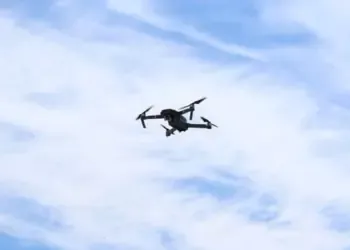
The potential of drones extends far beyond military applications. Many modern models are capable of performing civilian missions, and Ukrainian manufacturers are actively preparing their designs for humanitarian purposes. A notable example is the collaboration between the Heart Institute of Ukraine’s Ministry of Health and the developers of the PD-2 drone.
The PD-2 has proven effective not only in combat conditions but also in peaceful applications, including the transport of organs for transplantation. For medicine, this represents a significant breakthrough, as the speed and safety of organ delivery often determine a patient’s survival. With its vertical takeoff and landing capabilities, the PD-2 is not limited by runways and can operate in almost any terrain. This helps avoid delays caused by road transport, traffic jams, or potential damage to the organ during long trips, allowing doctors to focus on the most critical task – the surgery itself.
Organs are transported in a specially designed thermal container developed and patented by specialists at the Heart Institute. This container can withstand significant temperature fluctuations and maintains optimal conditions for organ preservation for several hours – ample time to deliver a transplant over hundreds of kilometers.
In the future, the PD-2 could be used for more than just organ transport. With a payload capacity of up to 11 kg, the drone can carry medications, medical solutions, blood, and humanitarian supplies to areas affected by natural disasters or emergencies. This opens up new possibilities for medicine, volunteer efforts, and emergency services.
It’s worth recalling that as early as 2021, the PD-2 was tested as a transport drone, completing a flight from Kyiv to Lviv – covering more than 500 km. This experiment demonstrated the potential for drones in logistics. However, the start of Russia’s full-scale invasion pushed civilian projects to the background. Following the latest tests, it’s now clear that drones have the potential to fundamentally change the delivery of goods and medical supplies.
In the future, drones could deliver medications from pharmacies directly to patients, handle online order deliveries, and even transport vital organs for transplantation. In this way, vehicles that currently save lives on the front line could continue their mission in peaceful civilian settings. As Ukrspecsystems notes, “The PD-2 is already ready for any mission.” Professor Borys Todurov, CEO of the clinic, added, “We are confident that this method can also be used to transport a human heart.”
Designed to operate in the most extreme wartime conditions, the PD-2 has a flight range of up to 800 km and can carry a payload of up to 11 kg. Its versatility and reliability make it a promising tool not only for military applications but also for civilian sectors where speed and precision in delivery are critical.
Read also:
- Ukraine and Poland to Form Joint Working Group on Unmanned Aerial Systems
- Ukrainian Drone Forces Destroy Three Russian Air Defense Systems Worth $80–90 Million
Source: Ukrspecsystems