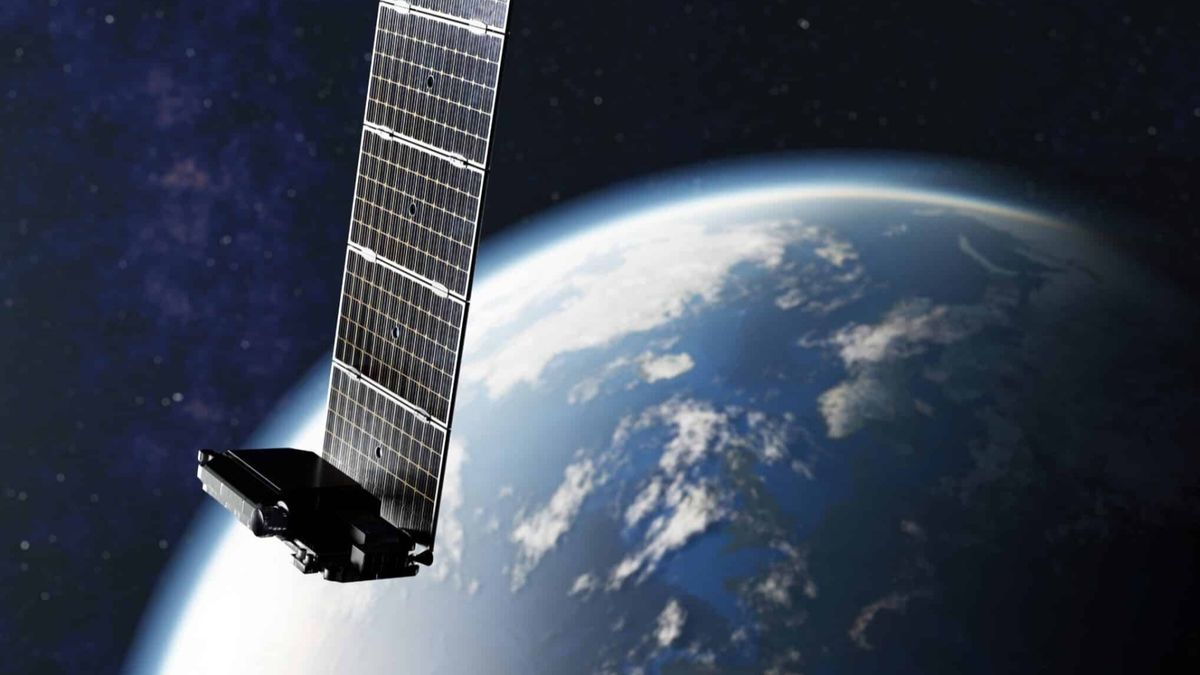
SpaceX reported a loss of contact with the Starlink 34343 satellite following an unspecified anomaly that occurred while it was in orbit. At the time of the incident, the spacecraft was operating at an altitude of approximately 560 km above Earth. Given this relatively low orbital altitude, the company’s assessment indicates that any resulting debris does not pose a risk to the International Space Station and is not expected to affect the upcoming Artemis II mission.
The incident is also not expected to impact the Transporter-16 mission, during which 119 payloads were launched into orbit on March 30, including CubeSats, microsatellites, hosted payloads, a reentry vehicle, and orbital transfer vehicles designed to deploy several of these payloads at a later stage.

In its statement, SpaceX also noted that it will continue tracking all identifiable debris, indicating that the satellite has fragmented into multiple pieces. The U.S.-based company LeoLabs, which specializes in monitoring objects in low Earth orbit, reported that it recently detected a “fragmentation event” associated with Starlink 34343. It also noted similarities between this case and an incident that occurred on December 17, 2025.
SpaceX has previously lost Starlink satellites due to geomagnetic storms; however, there is currently no indication that the two most recent incidents were caused by external factors. The company has not disclosed the cause of the anomalies, but LeoLabs suggests that both events were likely triggered by an internal energy source rather than a collision with space debris or other objects.
The Starlink team is continuing its efforts to determine the root cause of the incidents. In a statement posted on SpaceX’s Twitter page, the company indicated that, once the analysis is complete, it will “promptly implement any necessary corrective actions.”
Read also:
- Half-Century Pause Ends: Countdown Begins for NASA’s Historic Artemis II Mission
- ISS Cameras Capture Large-Scale Russian Missile Attack on Kyiv
Source: engadget