An amateur satellite tracker has accidentally discovered a secret group of SpaceX satellites transmitting signals on frequencies not intended for this type of communication. According to NPR, Canadian enthusiast Scott Tilley, who tracks satellites as a hobby, noticed unusual activity in the 2025–2110 MHz band – a range where no traffic is normally expected. To his surprise, the signal was coming from space.
Tilley explained that the discovery happened purely by chance. “It was just a clumsy keyboard move. I was rebooting the system and suddenly realized I was looking at the wrong antenna and the wrong frequency band,” he told NPR. “I saw a signal where there shouldn’t have been any, so I hit ‘record’ and let it run for a few minutes.”

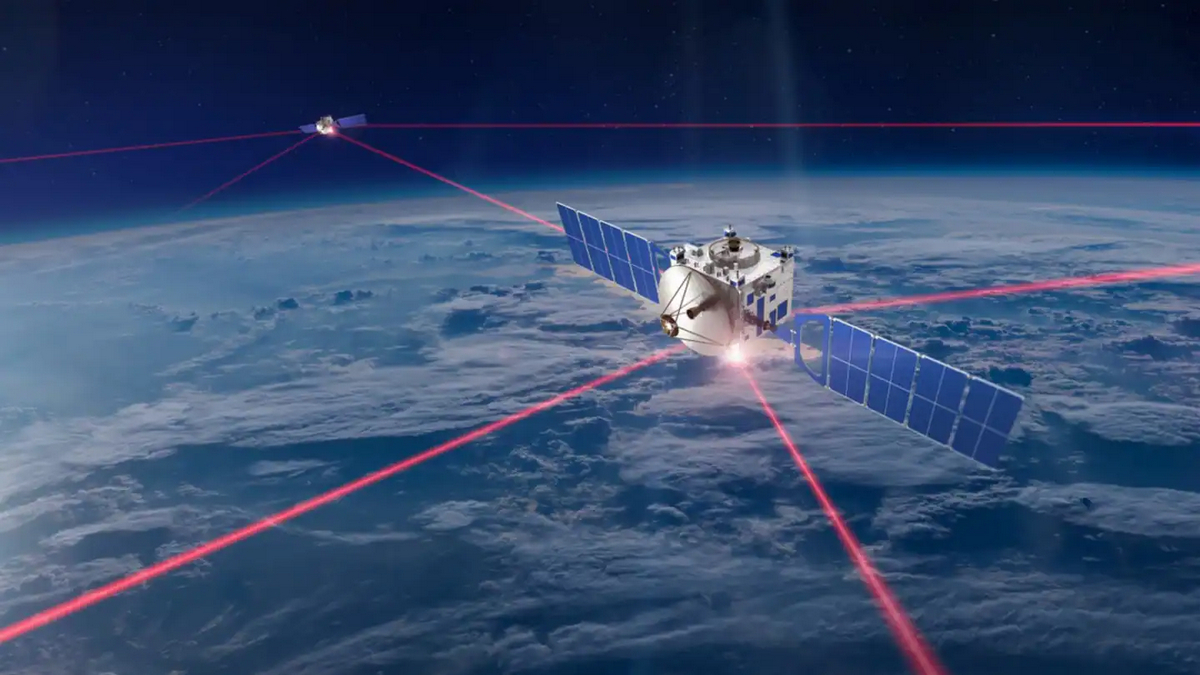
After analyzing the collected data and comparing it with satellite-tracking databases maintained by other enthusiasts, Tilley determined that the source of the signal was a group of Starshield satellites – a classified network deployed by SpaceX for the U.S. military. He recorded transmissions from roughly 170 satellites in this network, all operating within the same frequency range.
The 2025–2110 MHz band is typically reserved by the International Telecommunication Union (ITU) for uplink communications – data transmitted from Earth to satellites. Using this frequency for downlink transmissions could potentially cause radio interference with other spacecraft, including commercial, scientific, or military ones, leading to temporary signal loss.
“SpaceX is an experienced company, and it likely followed the ‘do it first, apologize later’ approach,” Tilley noted. While there is currently no evidence that SpaceX’s actions caused disruptions or complaints from other operators, the discovery has sparked widespread discussion among researchers and analysts in the satellite industry.
To make the information available to the scientific community, Tilley published his findings in the open repository Zenodo.org,, emphasizing that his goal was to alert operators to potential interference. According to him, Starshield is not just another SpaceX project but part of a broader military infrastructure used for communication and orbital surveillance.
Although the company has not commented on the situation, the incident has raised questions about the extent to which private entities can use frequency bands reserved by international regulations, as well as about SpaceX’s growing role in U.S. military communications.
Source: Tomshardware