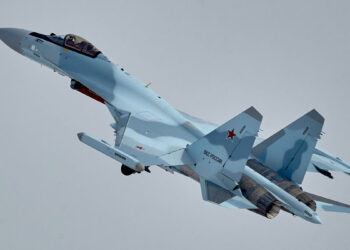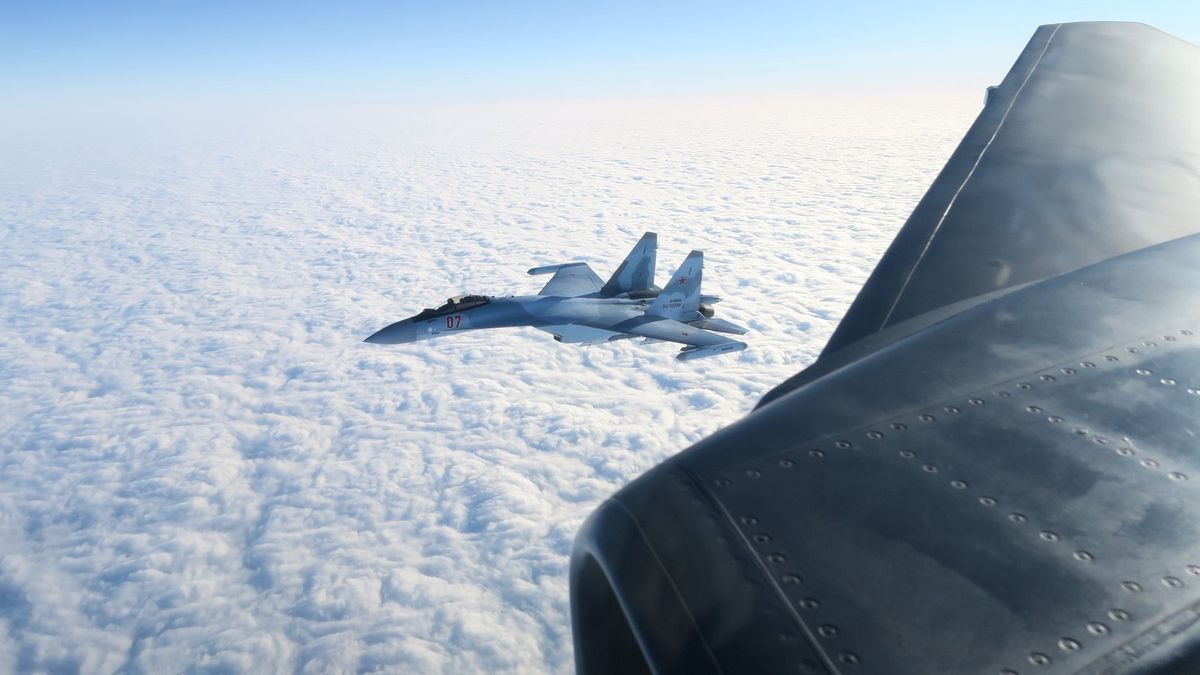
Recently, Swedish military forces intercepted a group of Russian combat aircraft over the Baltic Sea after surveillance systems detected two Su-35S fighters and one Tu-22M3 bomber. Following the detection, Swedish quick-response aircraft were scrambled to carry out the interception.
According to a statement from the Swedish Armed Forces, the interception units identified the Russian aircraft and monitored their route throughout. The fighters remained in close proximity to ensure that all maneuvers were observed and recorded.

“Yesterday, Swedish quick-response forces detected two Russian Su-35S fighters and one Tu-22M bomber over the Baltic Sea,” representatives of the Swedish Armed Forces said. “Swedish fighters made their presence known and ensured that flights in our area did not go unnoticed.”
The encounter took place in international airspace over the Baltic Sea, a region where Russian military aircraft have regularly appeared since the start of the full-scale war in Ukraine. Operating according to NATO standards, Sweden frequently scrambles its fighters to monitor aircraft approaching its airspace.
The Su-35S is a Russian multirole fighter capable of conducting air superiority missions, while the Tu-22M3 is a long-range strategic bomber capable of carrying cruise missiles and anti-ship weaponry. This combination of escort fighters and a bomber is a typical formation for Russian patrol flights near NATO borders and partner countries.
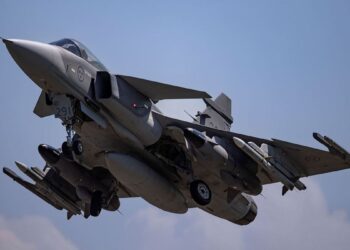
Photos released by the Swedish Armed Forces show Swedish fighters flying alongside the Russian aircraft at high altitude, visually confirming their identification and maintaining situational awareness. The military did not specify which Swedish aircraft participated in the interception, a standard practice to protect operational details.
Following Sweden’s accession to NATO in 2024, its Air Force became part of the Alliance’s integrated air and missile defense system in Northern Europe. The country’s quick-response missions are now coordinated with NATO partners to help ensure the security of Baltic airspace. The Swedish Armed Forces emphasized that the purpose of the sortie was to demonstrate presence and maintain continuous monitoring of activity near Swedish territory. No violations of Swedish airspace were recorded, as the Russian aircraft remained outside the country’s sovereign airspace throughout the encounter.
Read also:
- French automaker Renault to produce long-range drones for the military
- UFO or Secret Weapon? Triangular Aircraft Spotted Over Area 51
Source: defence-blog