• • CONTACTS
  • • PRIVACY POLICY
  • • GADGETS & TECHNOLOGIES
AERONAUT.media
  • NEWS:
  • • Aviation
  • • UAVs & drones
  • • Flying weapon
  • • Space
  • ARTICLES
  • Language:
  • EN
  • UA
No Result
View All Result
  • NEWS:
  • • Aviation
  • • UAVs & drones
  • • Flying weapon
  • • Space
  • ARTICLES
  • Language:
  • EN
  • UA
No Result
View All Result
AERONAUT.media
No Result
View All Result
Home Articles

Little-Known Pages Pages of Aviation History: Northrop XP-79B “Flying Ram” – The Ramming Attack Aircraft

Vladyslav Surkov by Vladyslav Surkov
27/07/2024
in Articles
0
blank
5
SHARES
104
VIEWS

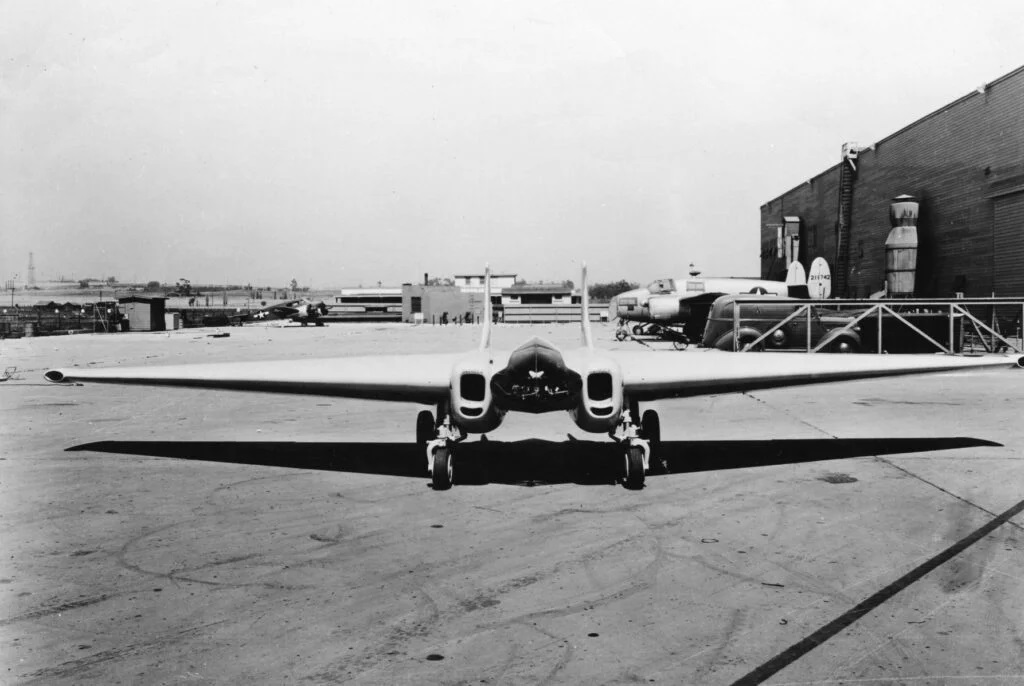
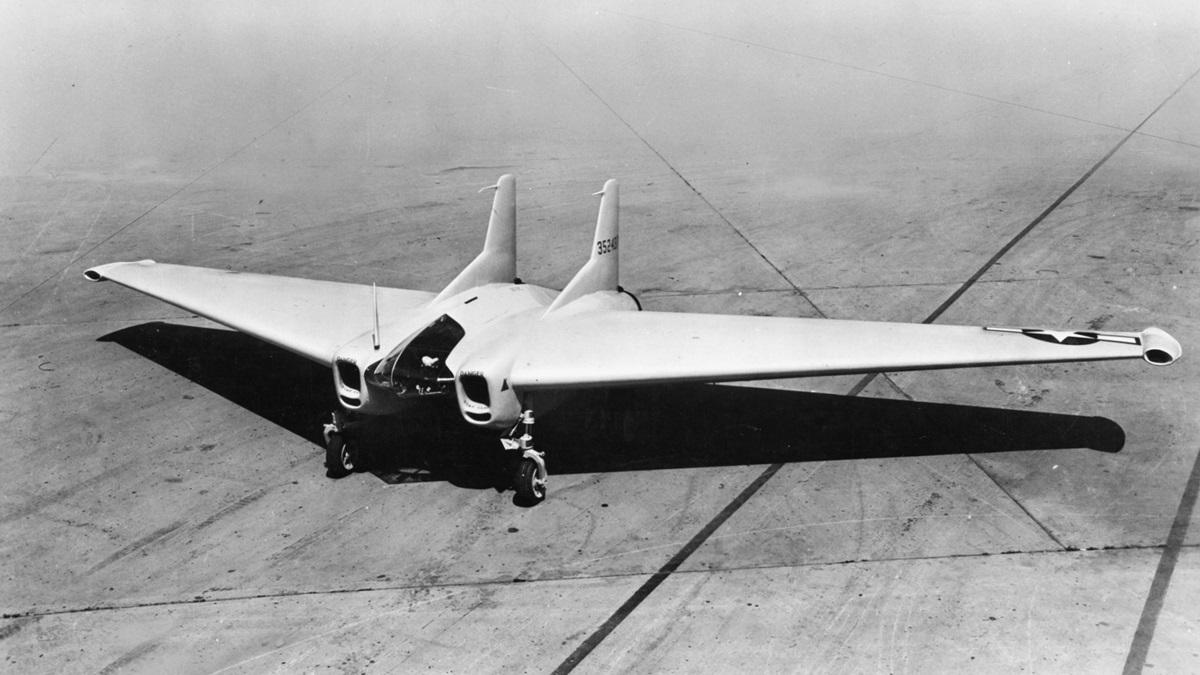
During World War II, Soviet and Japanese military pilots widely employed ramming attacks against enemy aircraft. This tactic was also considered in Germany. The Northrop XP-79B was unique in that it was the first aircraft specifically designed for ramming attacks.

Northrop XP-79B "Flying Ram"

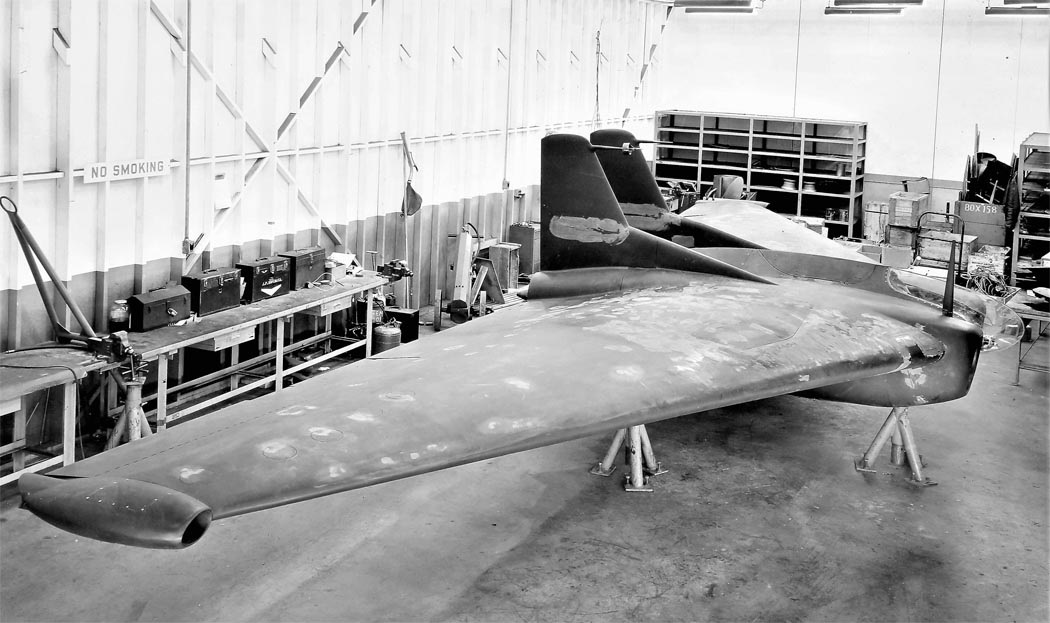
The XP-79B aircraft featured a welded semi-monocoque structure made entirely of magnesium alloys. Its powerplant consisted of two Westinghouse J-30-WE turbojet engines, each providing 520 kg of thrust. This machine was developed based on the designs of the XP-79 and XP-79A aircraft, which had a single J-30-WE turbojet engine and were variants of the MX-324 aircraft with a liquid-fuel rocket engine.

Northrop XP-79 - попередник XP-79B "Flying Ram"
Northrop XP-79 – predecessor of the XP-79B “Flying Ram” | Copyright: Edwards AFB Archives

However, the XP-79B had a different purpose and differed in design. If the “Flying Ram” had been produced and adopted, it would have been capable of cutting off the tails of enemy heavy bombers with its specially reinforced leading-edge wings. Additionally, if the ramming attack was unsuccessful, the aircraft was equipped with four 12.7 mm machine guns.

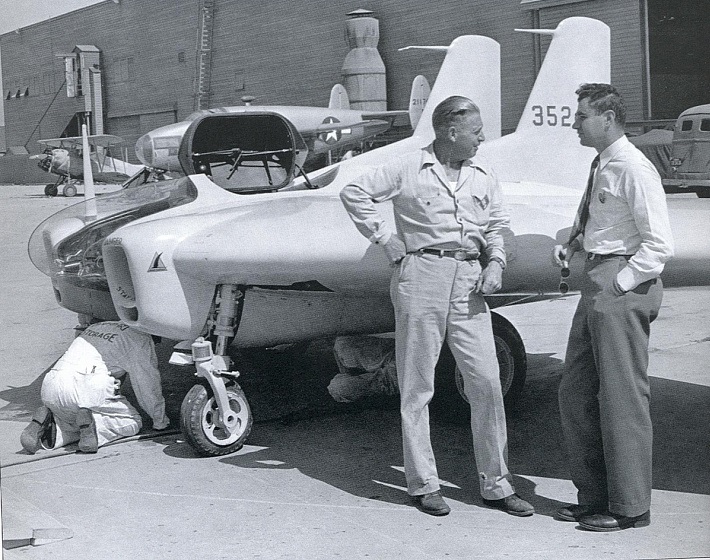
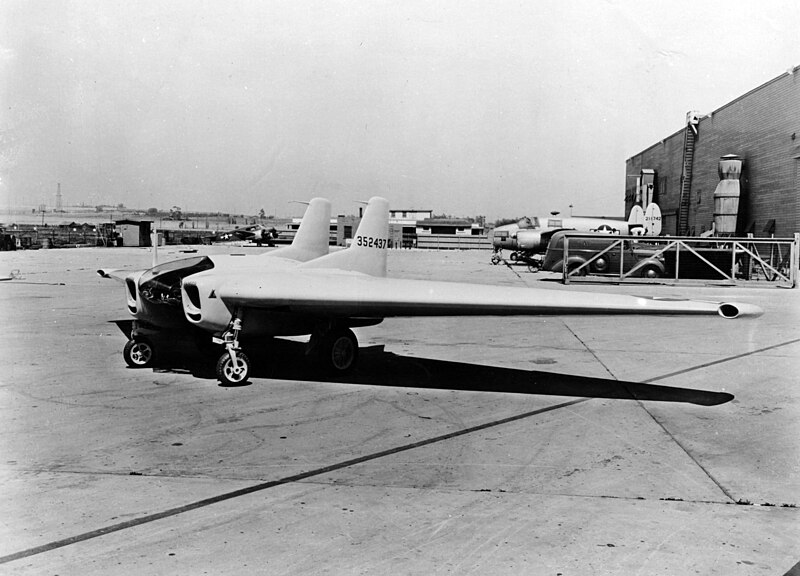
An unusual feature of the aircraft’s control system was the use of “valve” type control elements for managing the plane’s vertical axis. Oval cross-section tubes were installed at the wingtips. To create a yawing moment, a special valve would block the cross-section of one of the tubes. For lateral stability, the aircraft had two fins mounted on the engine nacelles, although the initial design only included one fin. The aircraft was equipped with retractable four-wheel landing gear.

blank
Northrop XP-79B "Flying Ram"
blank
Northrop XP-79B "Flying Ram"

The pilot’s cockpit was located in the central thickened part of the wing and had a detachable design. The pilot in the Northrop XP-79B was positioned lying down, which was intended to allow maneuvers with loads up to 12 g. The reason for this was that the horizontal position of the pilot, lying on their stomach with their head forward, minimized the impact of sharp maneuvers by keeping blood pressure in the brain, heart, and legs at the same level. However, this position was uncomfortable for a person over a prolonged period.

Креслення Northrop XP-79B "Flying Ram"

Main technical characteristics of the Northrop XP-79B “Flying Ram”:

  • Weight: 3940 kg
  • Dow 4.28 m
  • Wing wingspan: 11.6 m
  • Maximum speed: 815 km/hour

The Northrop XP-79B “Flying Ram” made its maiden flight on September 12, 1945, but it was also its last. During the flight, test pilot Harry Crosby lost control, and the aircraft crashed, resulting in the tragic death of the pilot. Soon the project was closed.

Tags: FavoritesHistory of AviationNorthrop GrummanUSA
Share2Tweet1ShareShareShareSharePin
Previous Post

UK Royal Air Force Tests AR-Based Training Technology

Next Post

U.S. Air Force Releases Video of Various Munitions Testing on A-10C Thunderbolt II

Vladyslav Surkov

Vladyslav Surkov

Aviation fan, aircraft modeler. Aircraft designer that did not happen. Education: junior specialist in repair and maintenance of aircraft and aircraft engines, specialist engineer in telecommunication systems and networks.

RelatedPosts

Rassvet
Articles

“Rassvet” Over Russia: Or How to Catch Up with Starlink While Falling Behind

09/06/2026
259
AV-8В
Articles

End of an Era: The Retirement of the American AV-8B Harrier II

05/06/2026
623
Bell Textron Ukraine generated title
Articles

Interview with Bell Textron: Investing in the future in Ukraine

02/06/2026
1.1k
A-4 Skyhawk
Articles

Last of Mohicans: A-4 Skyhawk Attack Aircraft in Argentina and Brazil

02/06/2026
468
Meteor
Articles

Weapons of Ukraine’s Victory: Meteor Air-to-air Missile

31/05/2026
601
Middle Strike
Articles

Middle Strike: How Ukraine Is Building a New Class of Medium-Range Strike Systems

31/05/2026
790
Next Post
The A-10 fires the AGM-65 Maverick

U.S. Air Force Releases Video of Various Munitions Testing on A-10C Thunderbolt II

Leave a Reply Cancel reply

Your email address will not be published. Required fields are marked *

Subscribe

  • Bluesky
  • Facebook
  • Mastodon
  • RSS
  • Twitter

Recent Comments

  • Haley Knudsen on Month of Silence and Uncertainty: European Space Agency Reestablishes Contact with Proba-3 Spacecraft
  • JoeRonamo on Tomahawk Cruise Missiles – What You Need to Know
  • Richard on Light Fighters: Useful Option or an Unnecessary Substitute?
  • asansör perdesi on Everything About the Bell AH-1Z Viper and UH-1Y Venom Helicopters: History, Specifications, and Prospects in Ukraine
  • Vladyslav Surkov on A-10 Thunderbolt II Attack Aircraft Escort Nuclear Submarine Wyoming During Drills

Recent Posts

  • A New Step Toward Lunar Exploration: Astrobotic Presents the Griffin-1 Lander
  • Russian Tu-22M3 crashes in Irkutsk region far from the front line
  • Ukraine presents the DRAGON system: Adapting air-to-air missiles for air defense applications
  • No One Suspected It: Pokémon Go Data Helped Train a Navigation System for Military Drones
  • American company makes history with the first flight of an electric aircraft powered by solid-state batteries

Help this site

SWITCH LANGUAGE:

  • EN
  • UA
  • • CONTACTS
  • • PRIVACY POLICY
  • • GADGETS & TECHNOLOGIES

© 2024-2025 AERONAUT.media

No Result
View All Result
  • NEWS:
  • • Aviation
  • • UAVs & drones
  • • Flying weapon
  • • Space
  • ARTICLES
  • Language:
  • EN
  • UA

© 2024-2025 AERONAUT.media